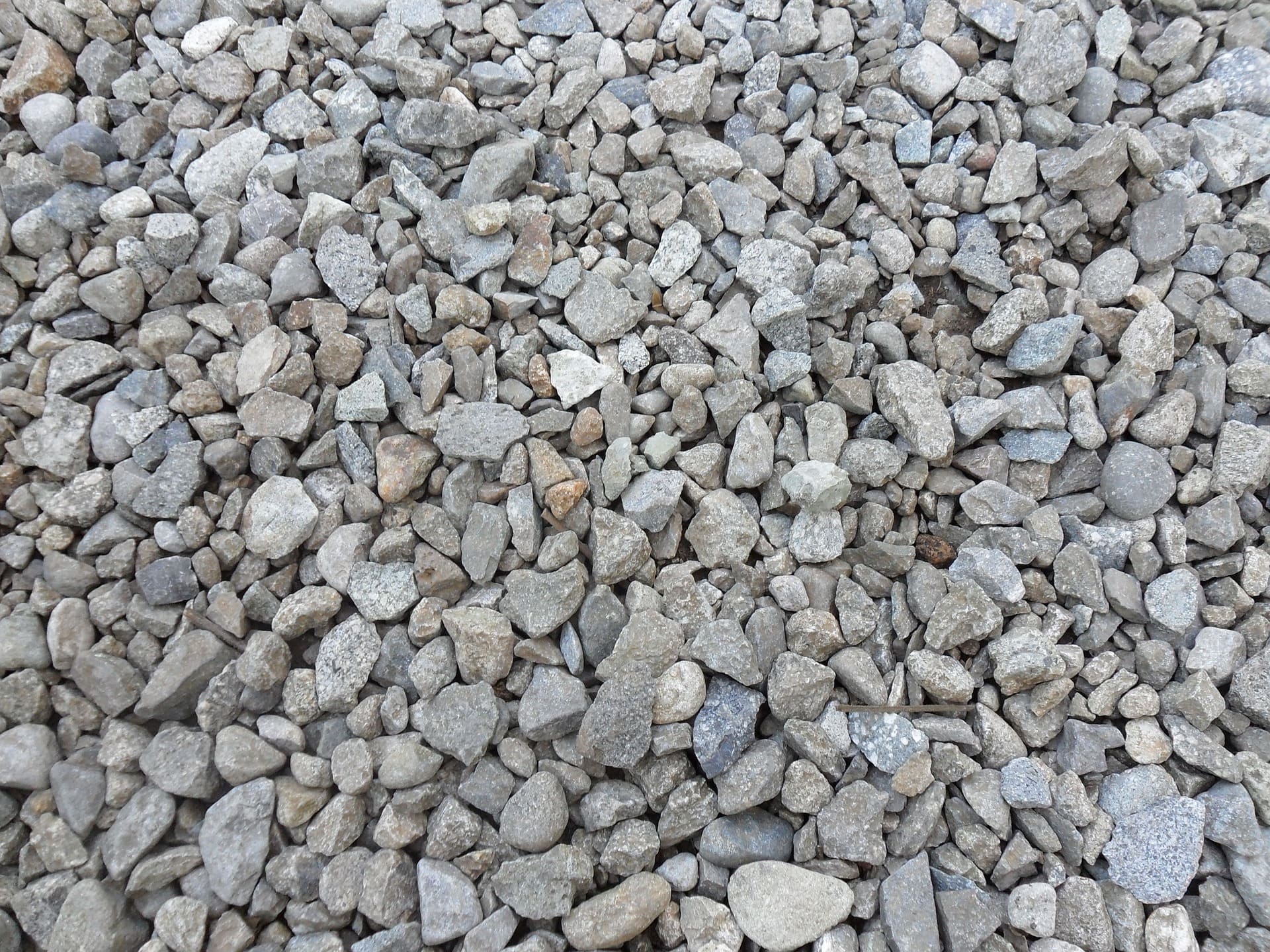
1. The Geological Ballet:
Stone chips, also known as rock pieces or particles, are the result of geological processes that
have shaped the Earth over millions of years. Weathering, erosion, and transportation are three
processes that break down rocks into smaller particles due to the relentless effects of wind,
water, and other environmental variables.
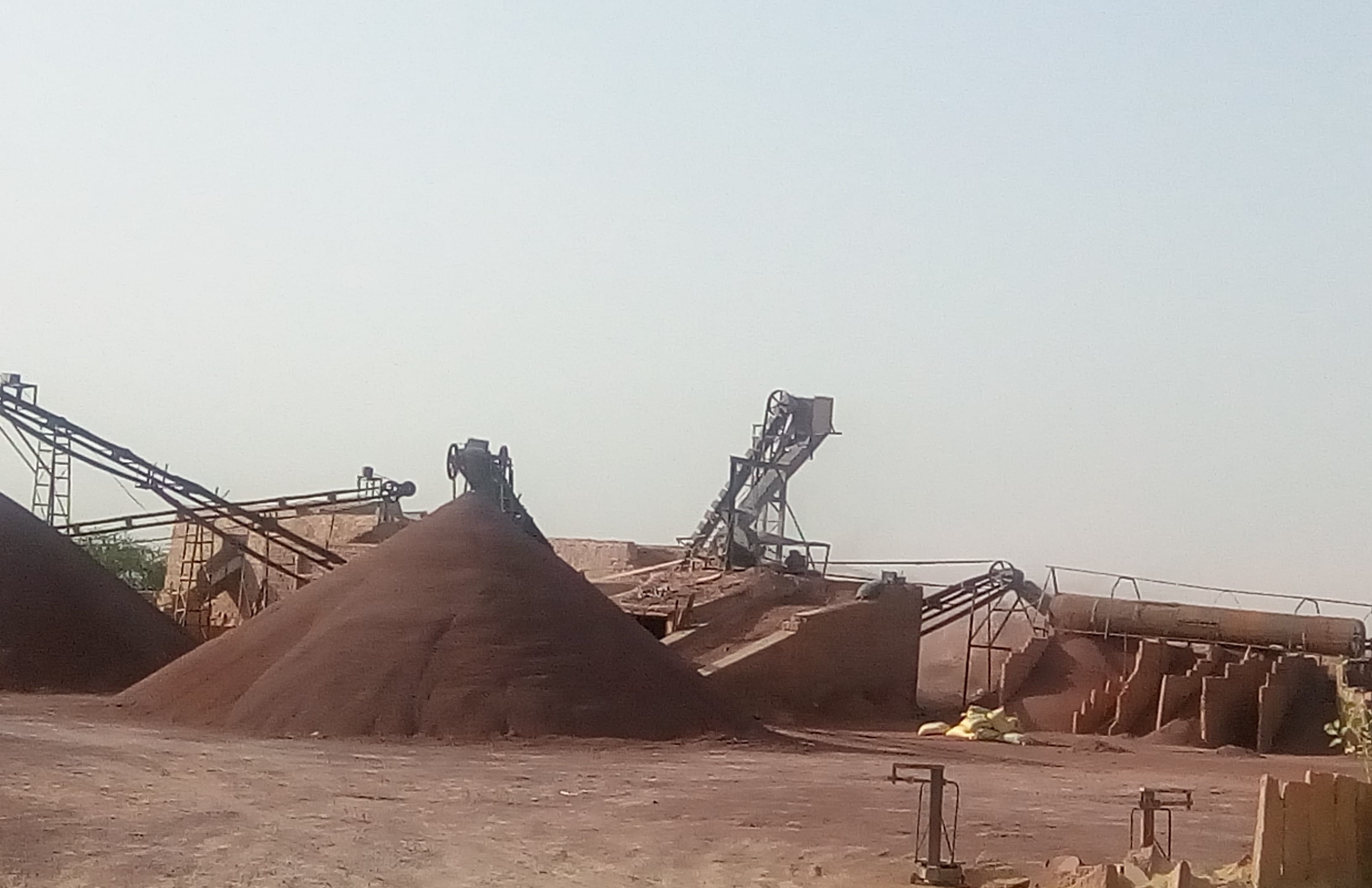
Crushed stone chips, formed by the geological
dance of rocks and weathering, go through a transforming process. These fragments, extracted from
natural reserves, are then crushed by strong technology, which reduces bigger rocks to smaller,
more manageable sizes. This transformation is the first step in realizing the potential of stone
chips for a variety of applications.
2. Shapes and Colors:
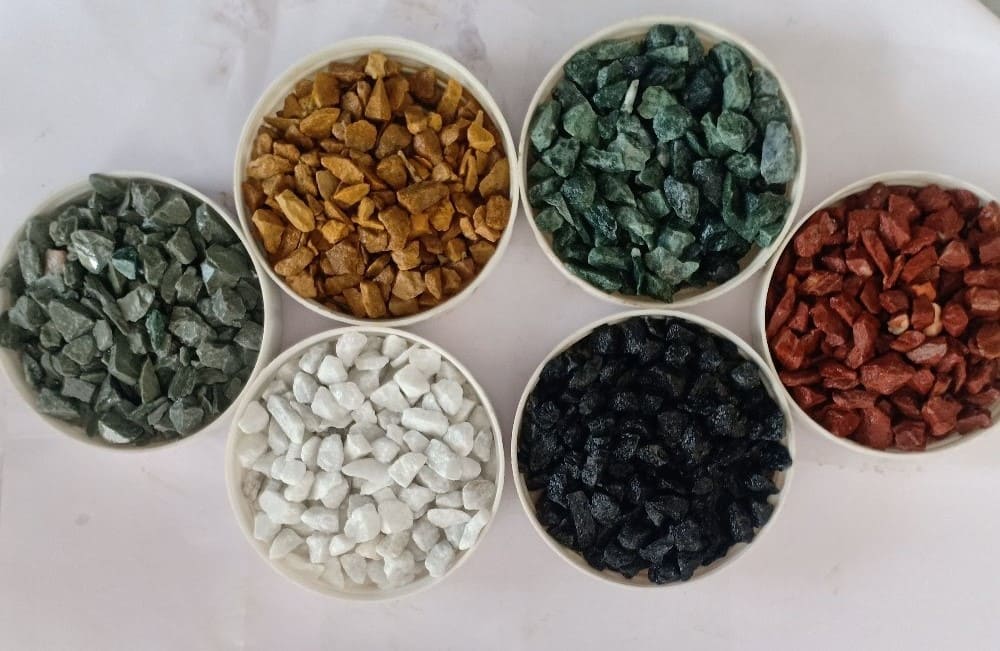
Time, nature's sculptor meticulously shapes each stone chip. These chips occur in a variety of
forms, sizes, and hues, reflecting their different geological origins. Each chip, whether smooth
edges of river-worn pebbles or jagged shards of mountainous areas, is a one-of-a-kind masterpiece
fashioned by its geological past.
Stone chips, like pigments on an artist's palette, show a wide range of hues. From the
earthy browns and greens of sedimentary rocks to the flaming reds and oranges of volcanic origins,
each color represents a chapter in the geological story. Explore the explanations behind these
hues, from mineral compositions to environmental impacts, and experience the multicolored symphony
of stone chips that adorns landscapes across the globe.
3. Environmental Significance:
Stone chips serve an important function in the ecology by acting as building blocks for soil
formation. They contribute to the process of pedogenesis, which occurs when rocks weather
physically and chemically, creating fertile ground for plant development. As these chips degrade,
they release critical minerals and nutrients that keep life in the delicate balance of the natural
world.
In an age of environmental awareness, crushed stone chips provide a sustainable option. Recycled
aggregates from destroyed constructions may be crushed and reused, lowering the need for new raw
materials and decreasing waste. This environmentally sustainable method is consistent with the
concepts of responsible building and resource conservation.
4. Cultural and Historical Significance:
Beyond their geological significance, stone chips have had an everlasting impact on human history
and culture. Ancient civilizations employed these shards to create tools, weapons, and artistic
expressions. The complex mosaics of Roman building, the petroglyphs of indigenous civilizations,
and the delicate artistry of traditional sculptures all demonstrate stone chips' enduring appeal.
Tools made of crushed stone chips were among the first items unearthed by
archaeologists. Our forefathers' hands molded these early devices, laying the framework for
survival. Explore ancient sites where handaxes, choppers, and other stone tools demonstrate early
humans' inventiveness and adaptation as they employed crushed stones to create instruments for
hunting, preparing food, and housing.
5. Stone Chips in Modern Applications:
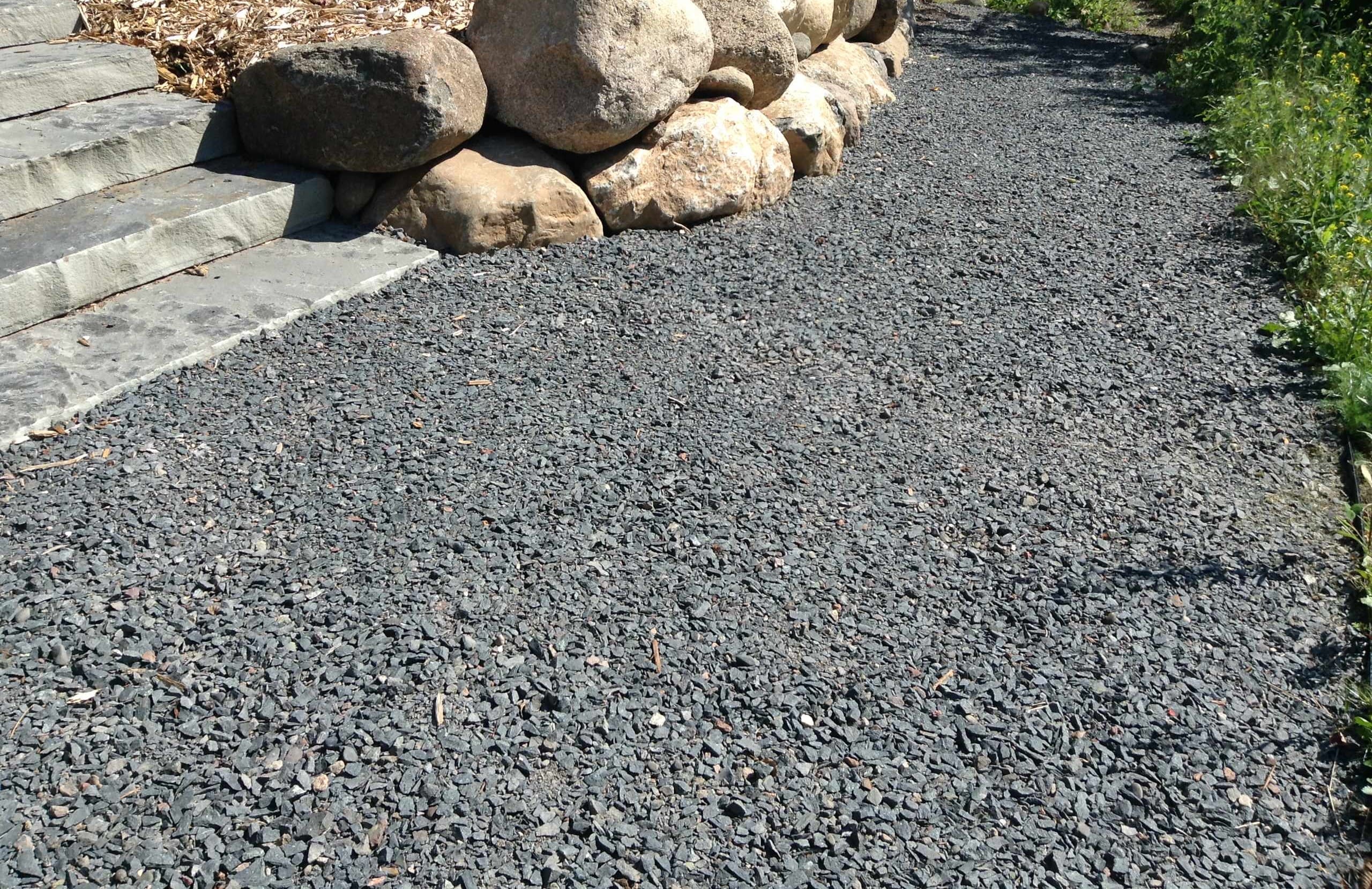
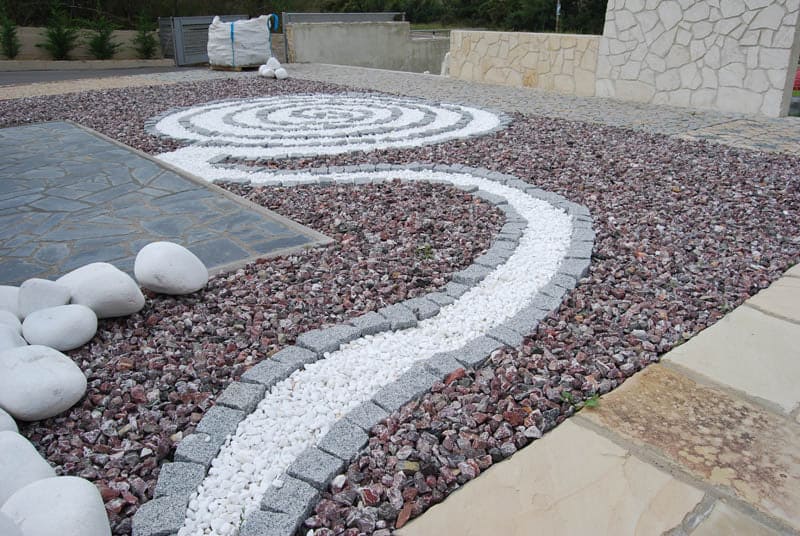
Stone chips are used in a variety of purposes nowadays, including building and landscaping. Crushed
stone chips are essential components of concrete, asphalt, and road building, adding strength and
longevity to infrastructure projects. Decorative applications abound, as these chips improve the
appearance of gardens, driveways, and sidewalks.
The adaptability of crushed stone chips
shows through in the building sector. These pieces, which come in a variety of sizes and textures,
are crucial components in concrete and asphalt mixtures. Their robust construction provides
strength, longevity, and stability to roads, bridges, buildings, and other infrastructure projects.
Walking around the building site, you'll see crushed stone chips softly supporting the foundations
of development.
Conclusion:
Stone chips, though little and modest, provide a significant tale about our planet's geological development. From their beginnings in the depths of antiquity to their many uses in current life, these fragments demonstrate nature's eternal beauty and endurance. While we enjoy the everlasting beauty of stone chips, let us also work to preserve the delicate balance of our planet's geological dance for future generations.