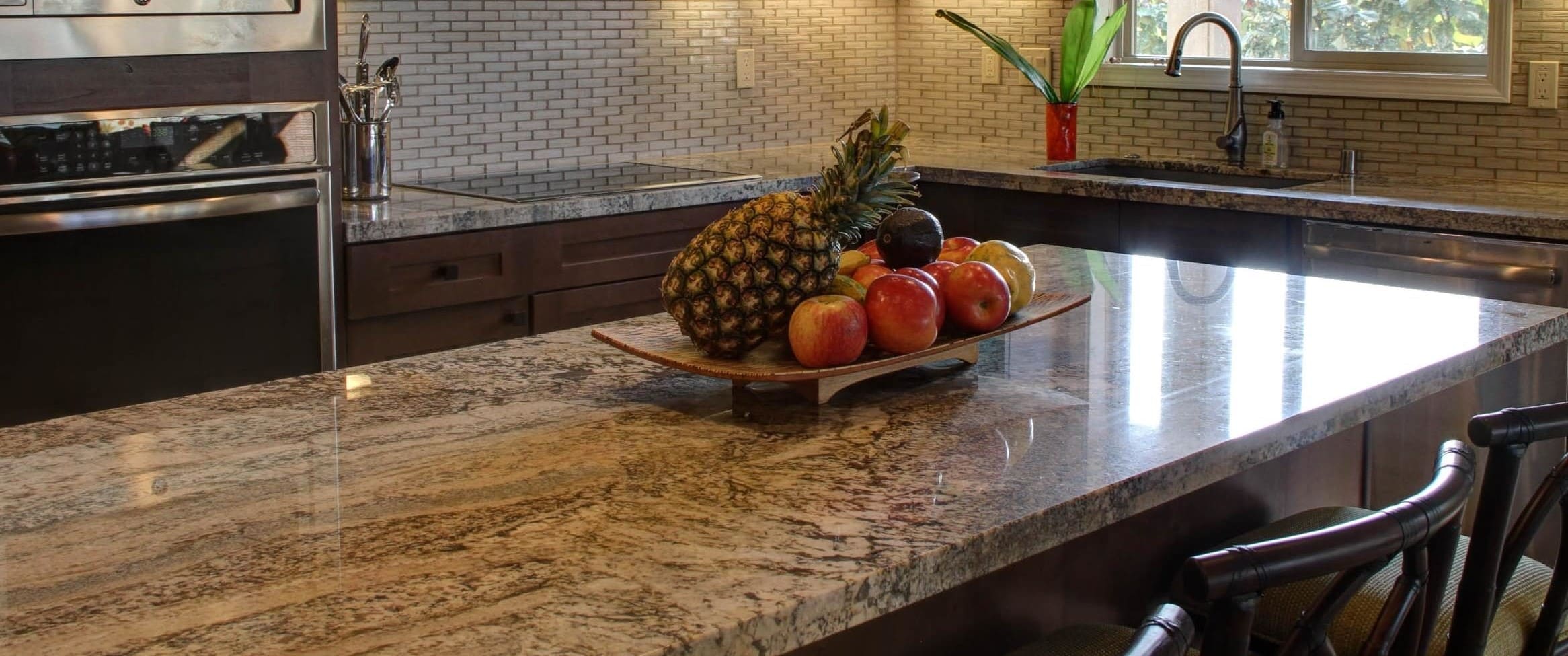
1. The Geological Marvel
Granite's origins lie deep beneath the Earth, where high heat and
pressure force rocks to melt and convert into molten lava. As the lava
rises to the top, it progressively cools, enabling crystals to form and
interlock. Unlike volcanic rocks, which cool quickly on the surface,
granite's gradual cooling process produces bigger crystals, adding to
its characteristic look and durability.
At the heart of
granite's geological miracle is a delicate mineral ballet. The three
major minerals—quartz, feldspar, and mica—dance together in changing
amounts to form the unique patterns and hues that distinguish each slab.
Granite gains strength from quartz, which is noted for its hardness,
while feldspar and mica contribute to its appealing appearance. The
mineral makeup is like a geological fingerprint, therefore no two
granite formations are precisely same.
2. Aesthetic Diversity

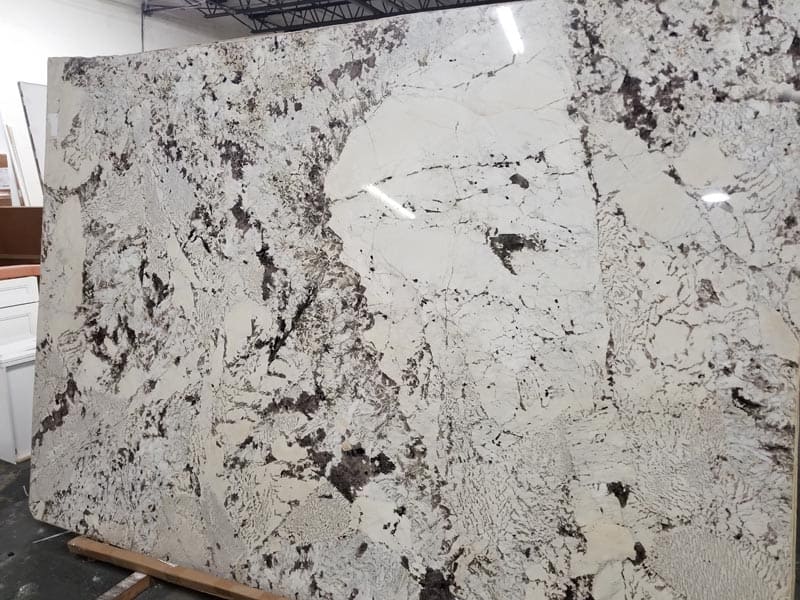
Granite has a rich and diverse collection of colors that reflect the
geological processes that shaped its genesis. From the traditional
elegance of white and black granite to the warm tones of beige, brown,
and gold, the color palette is diverse. Each color offers a unique tale
about the mineral composition and environmental circumstances that
existed when the stone was formed. Granite has a hue for any design
style, whether you want to make a dramatic statement or create a quiet
background.
One of the most appealing features of granite is
its ability to display dynamic patterns and veining. These natural
variances, which range from hypnotic swirls and waves to complex
speckles and specks, provide movement and depth. Each installation is a
one-of-a-kind piece of art since no two granite slabs are exactly the
same. This dynamic characteristic enables designers and homeowners to
choose granite that matches their concept, ranging from subtle to
radically expressive.
3. Durability and Longevity
Granite's longevity comes from its inherent hardness and strength.
Granite, which is mostly composed of quartz, feldspar, and mica,
produces a tight and interlocking crystalline structure when it cools
slowly. This structure makes granite very resistant to scratches,
abrasions, and external impacts. Granite's intrinsic hardness makes it
more durable than many other construction materials.
Granite's durability includes its ability to endure extreme
temperatures. Granite countertops, in particular, provide a durable
surface that can endure the heat of hot pots and pans without being
damaged. This heat resistance not only extends the stone's life but also
makes it a practical and long-lasting option for kitchens.
Granite's longevity is due not just to its initial resilience, but also to its minimal maintenance
requirements. Granite installations may be kept looking beautiful for decades with basic maintenance
measures like frequent sealing and cleaning. Unlike materials that need regular repairs or
replacements, granite's durability lowers the long-term expenses of upkeep and restorations.
4. Practicality and Maintenance
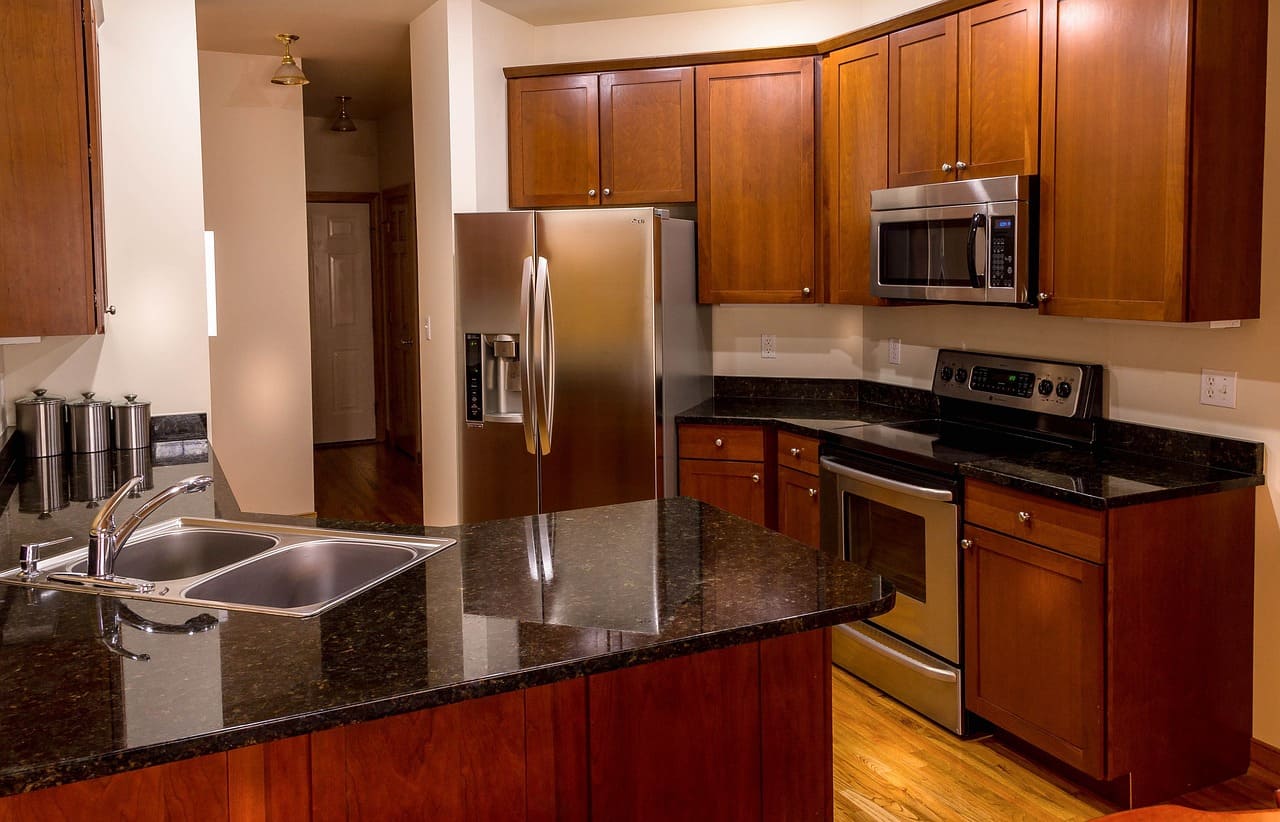
Granite's smooth, non-porous surface makes it very simple to clean, enhancing cleanliness in a
variety of applications. Granite's non-absorbent characteristic prevents liquids and germs from
seeping into the stone, whether used for kitchen worktops, bathroom vanities, or flooring. Routine
cleaning with a light detergent and water is generally enough to keep granite surfaces spotless,
making it an ideal option for busy families.
Granite's stain resistance is a significant practical benefit, particularly in places prone to
spills and accidents. Properly treated granite surfaces provide a protective barrier that repels
liquids, preventing typical home stains. This characteristic not only facilitates cleaning, but it
also guarantees that the stone's visual attractiveness is maintained throughout time.
5. Environmental Considerations
As the need for environmentally friendly construction materials develops,
granite emerges as a viable choice. As a natural stone, it needs less
processing than synthetic substitutes. Furthermore, granite is recyclable
and may be recycled for a variety of uses, helping to promote a more
sustainable building sector.
In an era when sustainable choices are essential, granite appears as a natural stone that not only
captivates with its timeless beauty but also connects with environmental awareness. Granite, as a
construction material with deep roots in the Earth, has various environmental benefits that make it an
eco-friendly option for conscious builders, designers, and homeowners.
Many building materials are extracted and processed, which increases carbon emissions dramatically.
Granite, being a natural stone, has a lower carbon footprint than manufactured substitutes. Quarrying
and cutting granite requires substantially less energy than producing synthetic materials, which
aligns with initiatives to minimize greenhouse gas emissions in the building sector.
Conclusion:
In the realm of interior design and architecture, granite symbolizes the union of beauty and efficiency. Its geological origins, visual variety, durability, and ease of upkeep make it a timeless option for people looking to add a touch of elegance to their homes. As we continue to admire granite's timeless charm, it is apparent that this natural stone will be a symbol of refinement and durability in design for many years to come.