
1. Rich Reserves and Diverse Selection
India is home to vast deposits of many different types of natural
stones, such as quartzite, granite, marble, sandstone, limestone, and
slate. These different geological formations fulfil the varied demands
of clients throughout the globe by delivering a broad array of hues,
patterns, and textures. India has a competitive edge in the worldwide
market thanks of the large selection of stones that are easily
accessible.
The numerous geological characteristics seen in various locations of
India contribute to the large range of natural stones accessible. The
industry is important to the economy since it creates jobs and
contributes to export earnings. Furthermore, the usage of Indian natural
stones in architecture and design has a long history, representing the
country's cultural heritage and skill.

2. Excellent Quality and Reasonably Priced
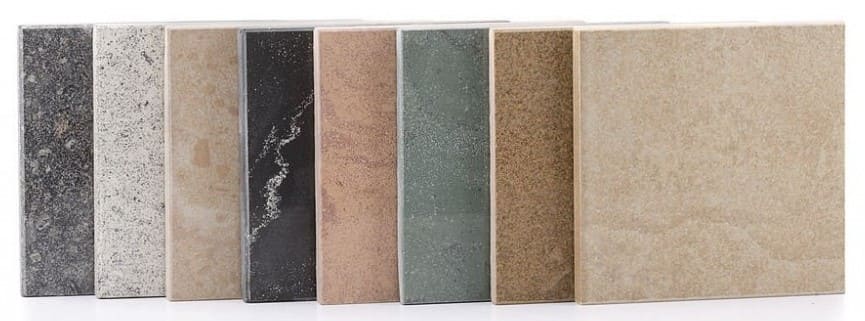
Indian natural stones are recognised for their outstanding quality,
which exceeds worldwide standards. The stones are methodically
extracted, treated, and polished with the assistance of cutting-edge
equipment and experienced expertise. Indian stones are fairly priced
despite their greater quality due of factors like cheaper manpower and
manufacturing expenditures. Their cost-effectiveness made them a desired
option for customers globe.
Indian natural stones are a popular option for building, interior
design, and landscaping projects all over the globe due to their high
quality, diversity, and low cost.
3. Skilled Craftsmanship and Value-Added goods
India has a strong tradition of making exquisite carvings, sculptures,
and other value-added products manufactured from natural stones by
highly trained stone craftsmen. The remarkable artworks are in high
demand among worldwide customers, enhancing the export potential of
native stones from India.
Skilled craftsmen in India are well-known for their ability to carve
gorgeous designs and sculptures out of diverse natural stones. Temples,
monuments, and historical sites around the nation demonstrate Indian
craftsmen's ability to create complex carvings and sculptures out of
stones such as marble and granite.
Indian artisans are well-known for producing high-quality
finishes on natural stones, which improves their visual appeal.
Polishing, honing, and other finishing processes are used to highlight
the natural brilliance of the stones.
4. Growing Global Demand

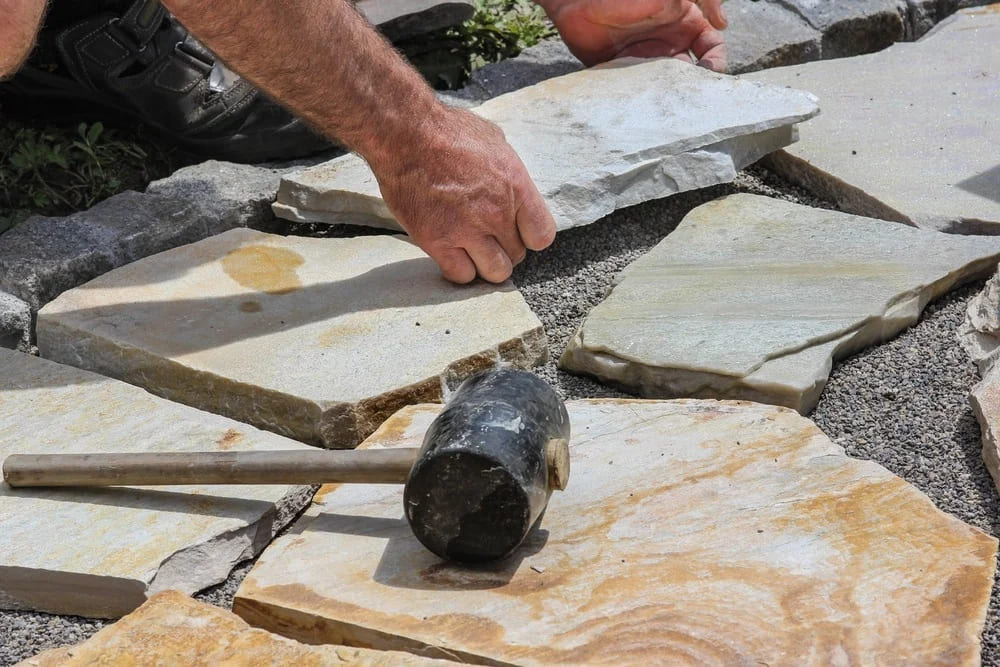
Indian stones are used in a broad variety of sectors, including building, architecture, interior design, and landscaping. They are utilized for flooring, countertops, wall cladding, sculptures, and other ornamental features. As rising countries participate in infrastructure development and urbanisation, the demand for Indian natural stones is projected to increase even further. The demand for natural stones in the construction and architectural sectors is expanding internationally. They are the finest alternative for a range of applications thanks of their strength, aesthetic appeal, and durability to varied temperatures.
5. Well-Established Export Network
Indian stone exporters have created a robust international network of
relationships with importers and customers. Frequent participation at
international trade fairs, displays, and events offers them the ability
to showcase their products and network with prospective clientele. For
Indian natural stones, this well-established export network provides
rapid delivery and stable supply chains.
India has a well-established natural stone supply chain that includes
quarrying, processing, and transportation. This efficiency helps to
reduce costs and provide a consistent supply of stones to the market.

6. Government Support and Initiatives

The Indian government provides laws, incentives, and initiatives in
acknowledgment of the natural stone sector's great potential. This
include organising buyer-seller meetings, sponsoring export promotion
programmes, and giving funds to important participants in the stone
business. The potential for Indian natural stone exports is expanded by
this form of government aid.
Supportive government policies and regulations help to create an ideal
environment for business in the natural stone sector. This assistance
helps in sustaining a competitive advantage in the worldwide market.
7. Infrastructure and Technology
India has made substantial investments in the technology and infrastructure required for the processing of stones. Efficiency and production have grown thanks of new processing facilities, cutting-edge technology, and contemporary quarries. As a consequence, Indian natural stones are now more competitive on the worldwide market.
Conclusion:
Indian natural stones offer a great lot of potential for export because of their enormous reserves, extensive diversity, exceptional quality, affordable cost, superior workmanship, and expanding demand around the globe. The Indian stone business is well-positioned to meet the changing needs of global markets thanks of continued investments in infrastructure, technology, and government support. The inherent beauty and power of Indian stones are gaining appeal internationally, and as a consequence, their impact is predicted to expand, offering new commercial prospects and supporting the nation's economy.