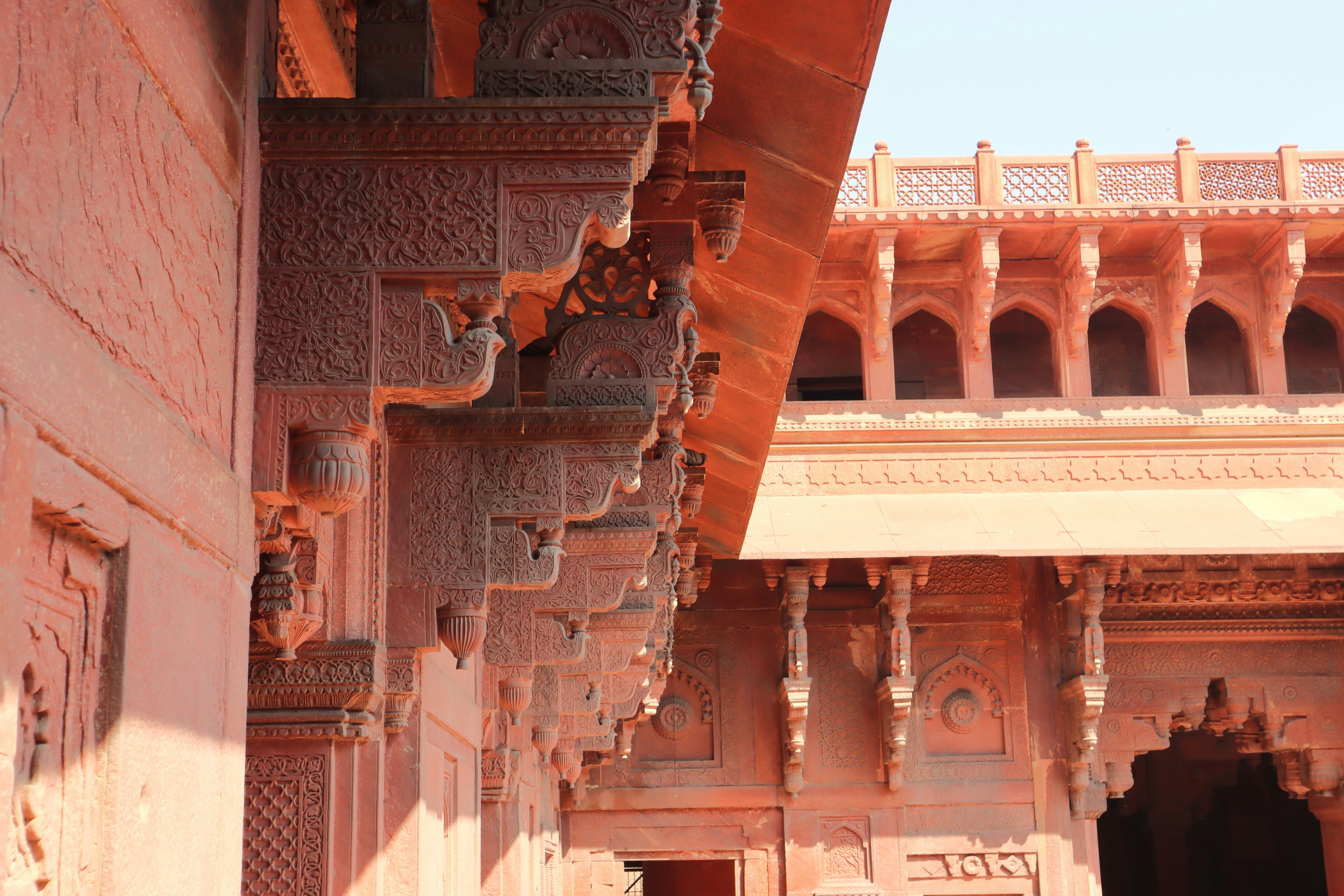
Stand in front of the Red Fort at sunset and watch the walls turn from brick red to glowing amber. Now picture that same color on the front of a new home, a hotel entrance, or a garden path you walk every morning.
That's Agra Red Sandstone. It's an old stone, but it has never gone out of fashion, and today architects, builders and homeowners are choosing it more than ever.
If you're wondering whether it's right for your project, this post walks through where the stone comes from, where it's currently used, and how to choose and care for it.
The story behind the color
Agra Red is also known as Dholpur Red Sandstone, after the region of Rajasthan where it is quarried. Its colour comes from iron oxides present in the stone's bedding layers. That's why every slab carries its own character: some are a soft, light red, others a deep, almost brick tone, often with gentle bands and grain running through them.
The Enduring Red Stone
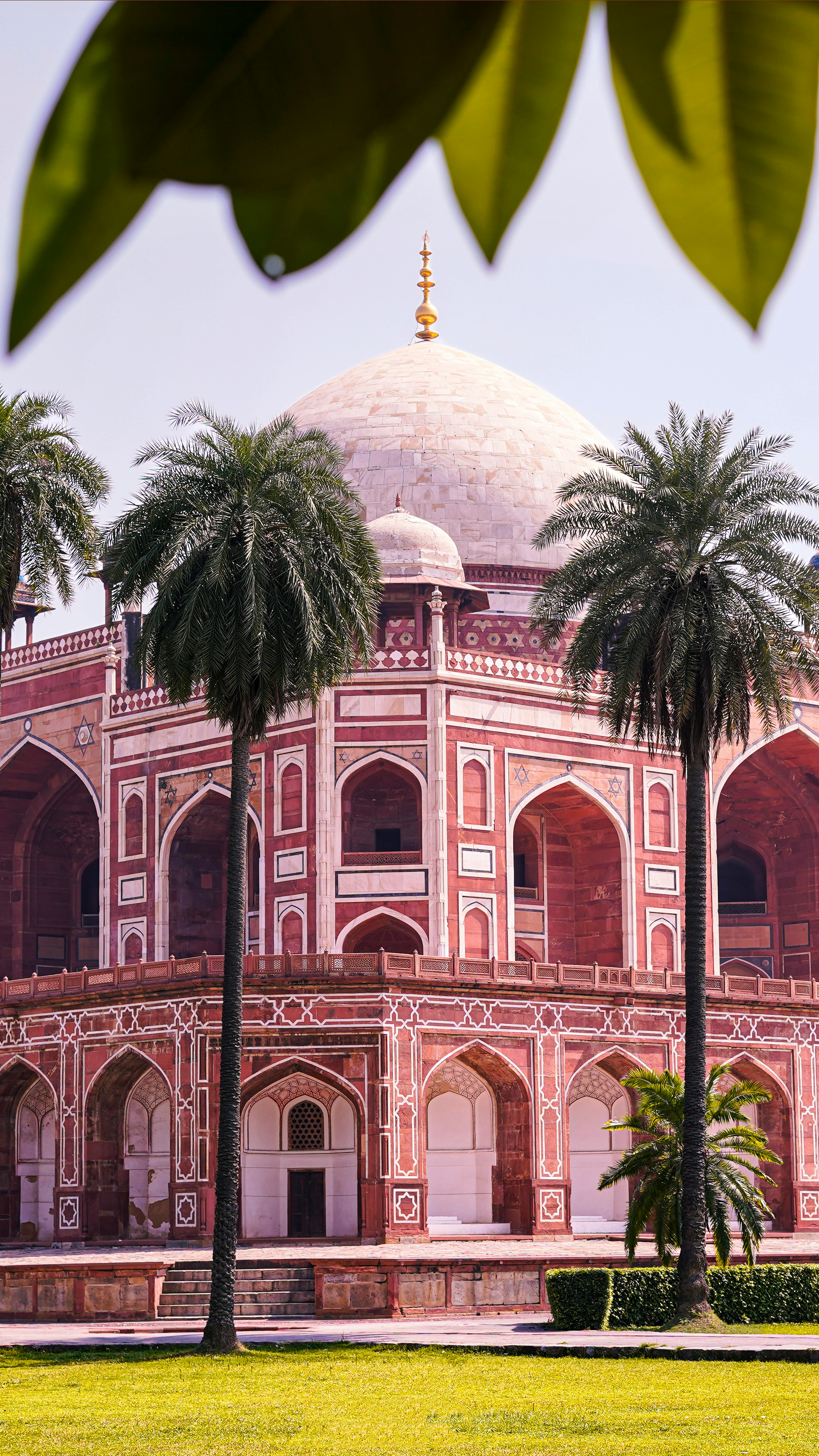
This stone has a long record. Red sandstone from the Dholpur belt is tied to some of India's best-known monuments, including the Red Fort in Delhi, Agra Fort and Humayun's Tomb. Many of these buildings have stood for centuries through monsoons, heat and pollution, and they are a big part of why builders trust the material today.
Still Building India's Landmarks
The tradition hasn't stopped. Red sandstone from the same Dholpur and Sarmathura area was chosen for the new Parliament building in Delhi, and conservation teams are now working to bring back the original red sandstone look of heritage structures such as the Red Fort. A stone that heritage experts trust for restoration, and that modern designers still choose for new landmarks, has earned its place.
Where Agra Red Sandstone is being used today
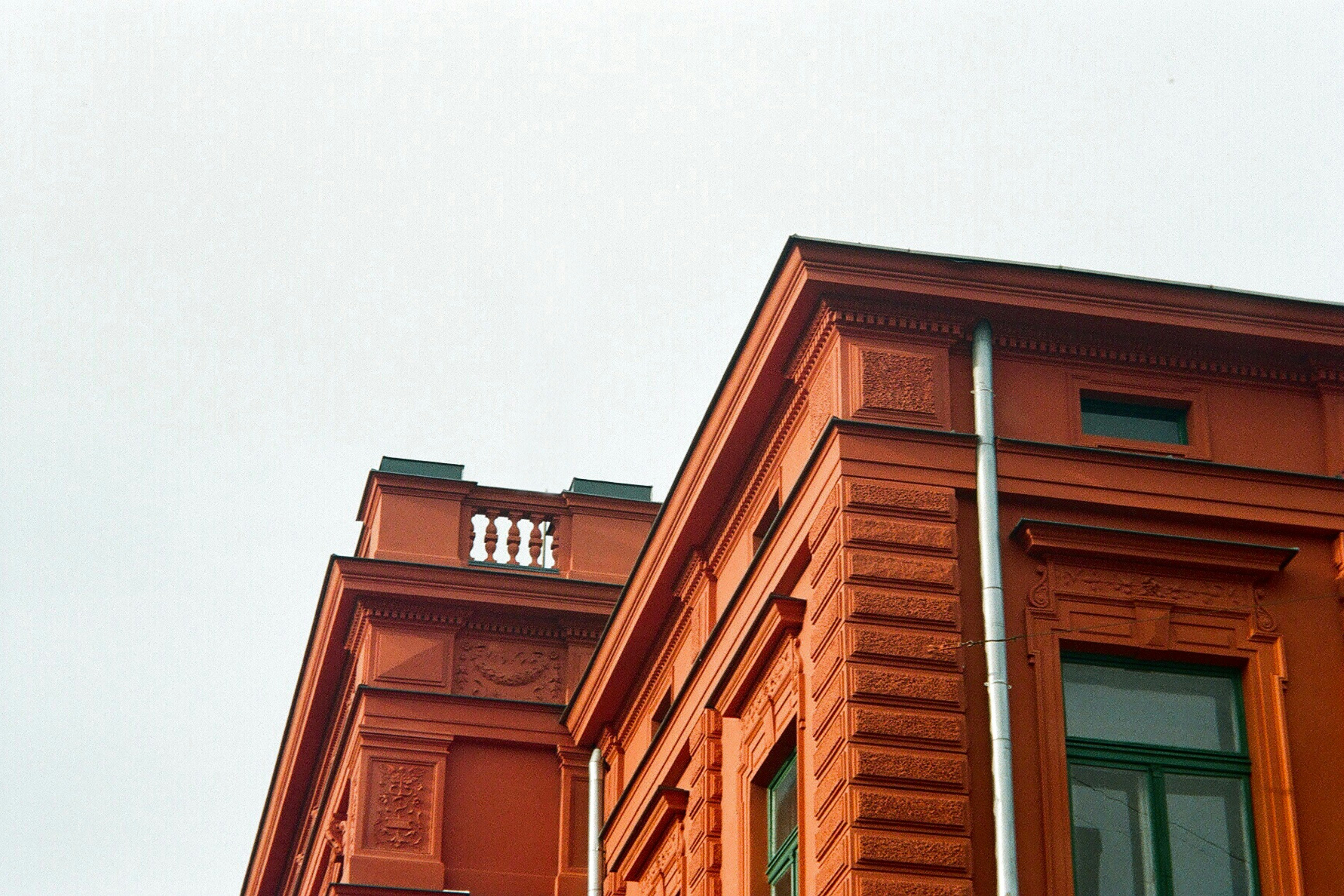
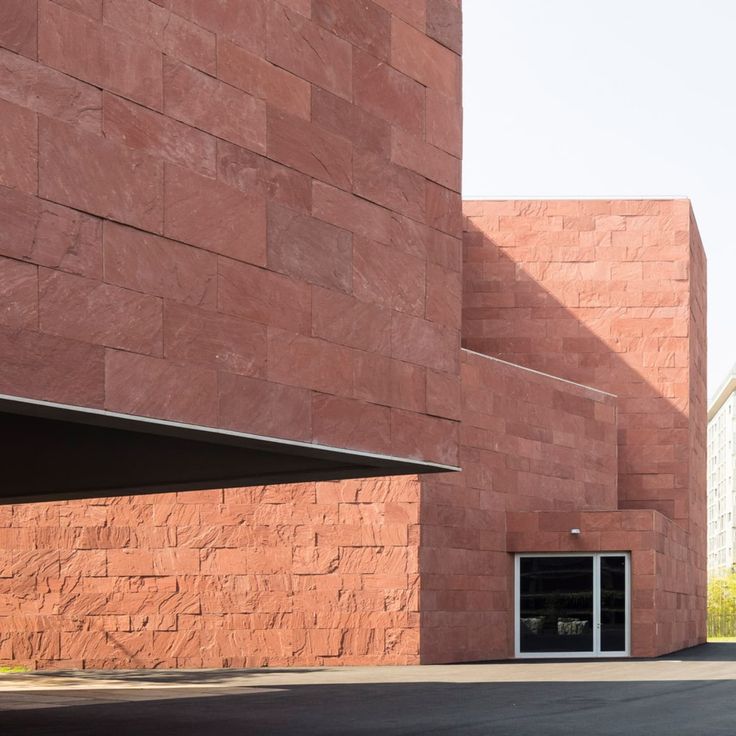
Home exteriors and boundary walls
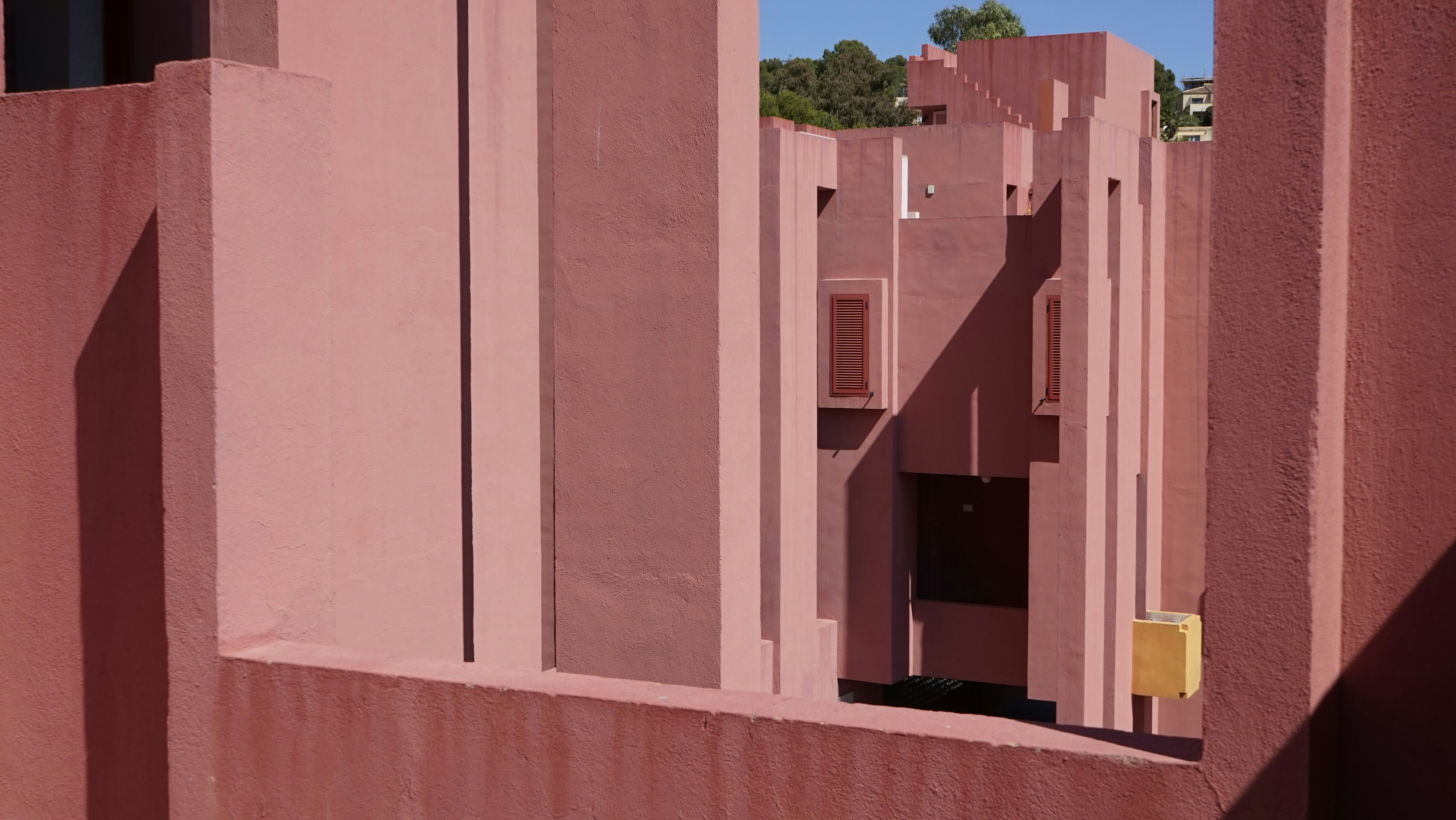
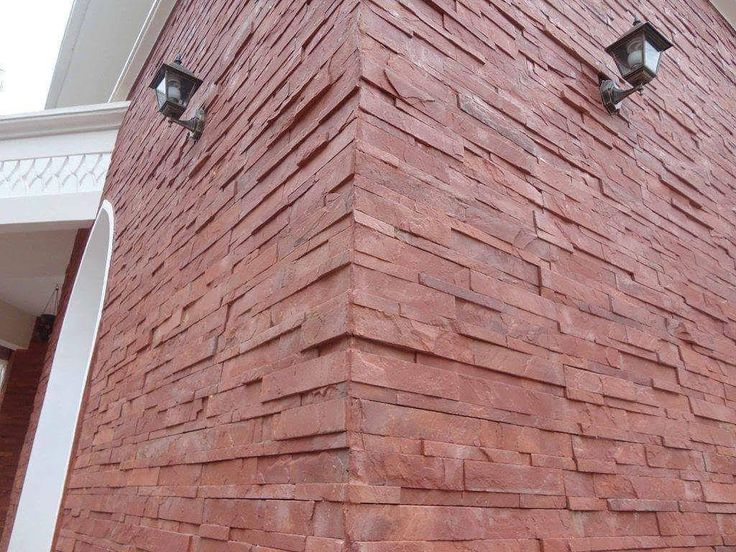
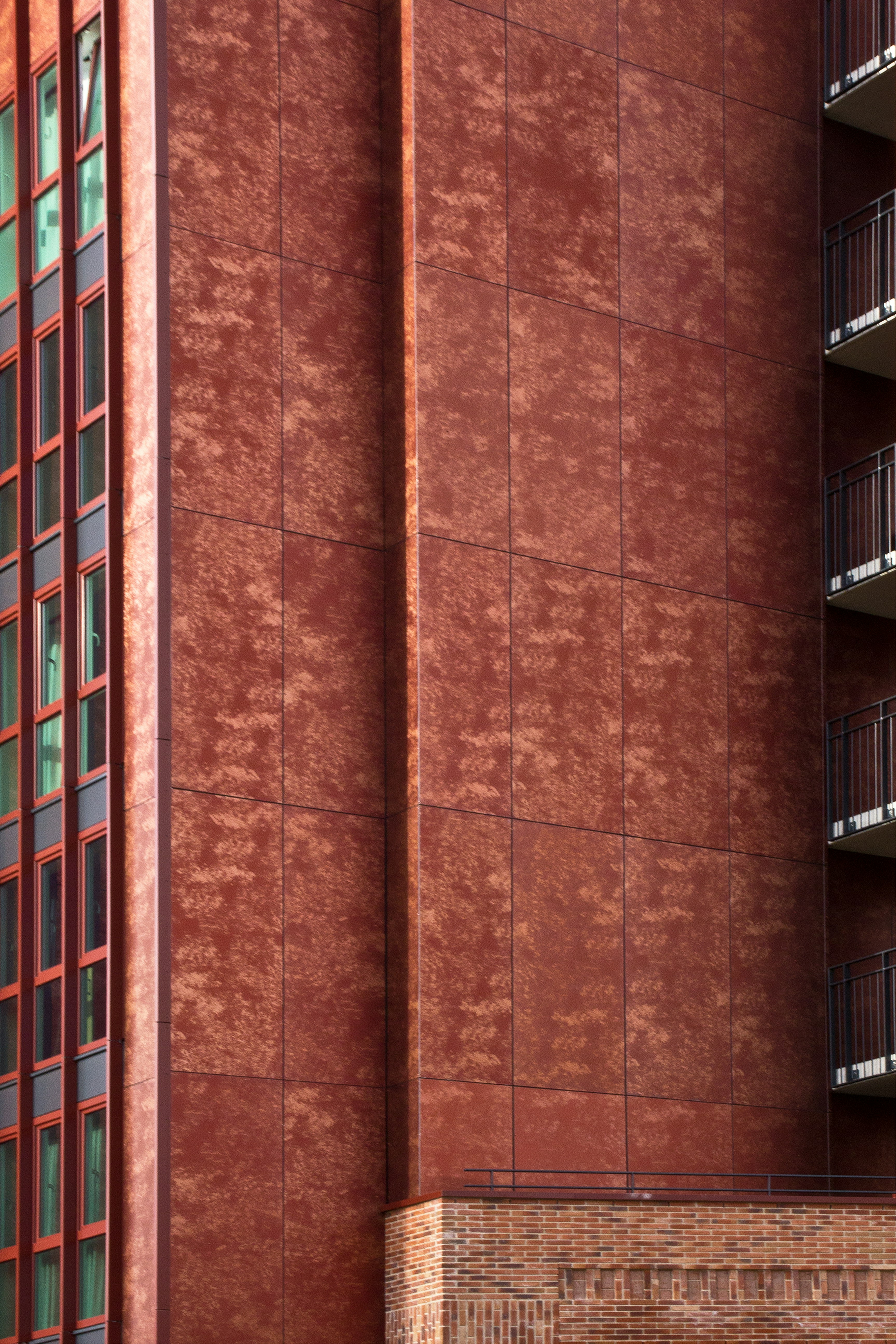
Natural-finish sandstone cladding gives a house warmth that paint can't copy. It ages gracefully, and a gate pillar or compound wall in red stone looks established from day one.
Courtyards, driveways and garden paths
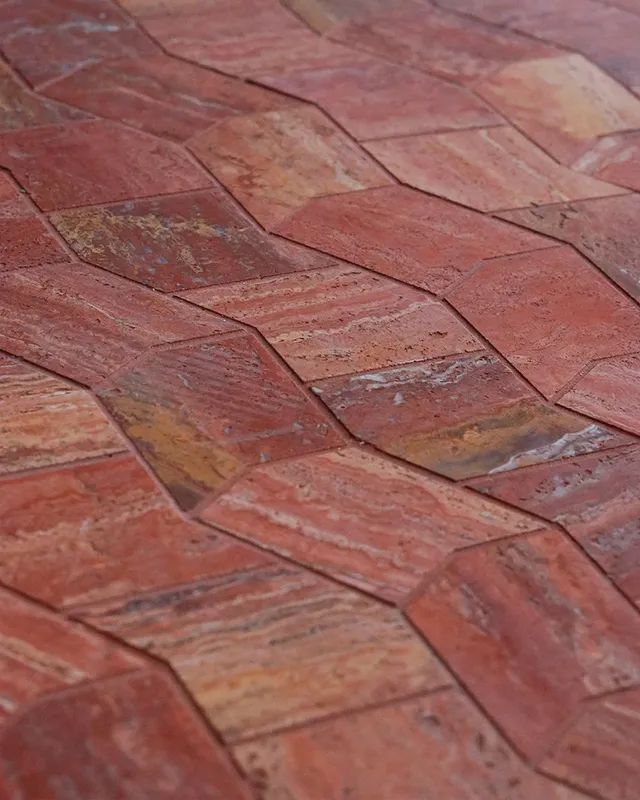
Pavers and sawn tiles are popular for outdoor flooring because the surface has natural grip and doesn't turn blinding hot or slippery the way glossy materials can. Brushed and bush-hammered finishes are especially popular for walkways.
Pool surrounds and coping
Because the texture is naturally non-slip, designers like it for pool edges and sit-out areas. The red tone also looks striking next to blue water.
Hotels, resorts and restaurants
Hospitality projects use it to create a sense of place: feature walls in lobbies, entrance steps, and outdoor dining terraces where the stone does half the decorating for you.
Temples, monuments and public spaces
Because it carves well, sandstone remains the favorite for jaalis (carved screens), pillars, plinths, memorial work and ornamental pieces.
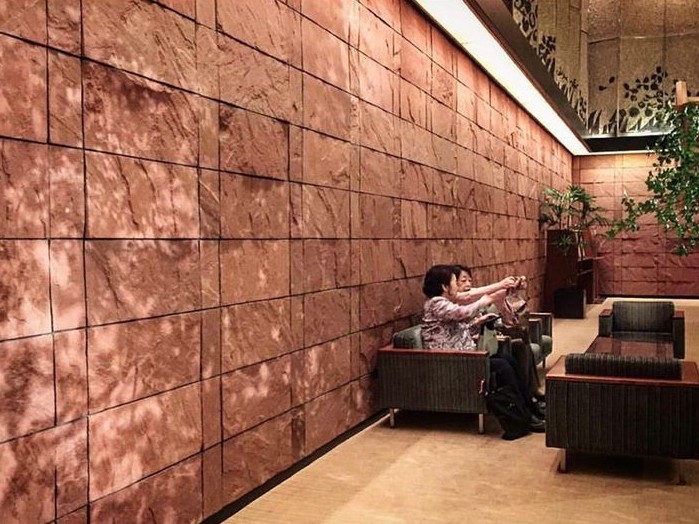
Interiors
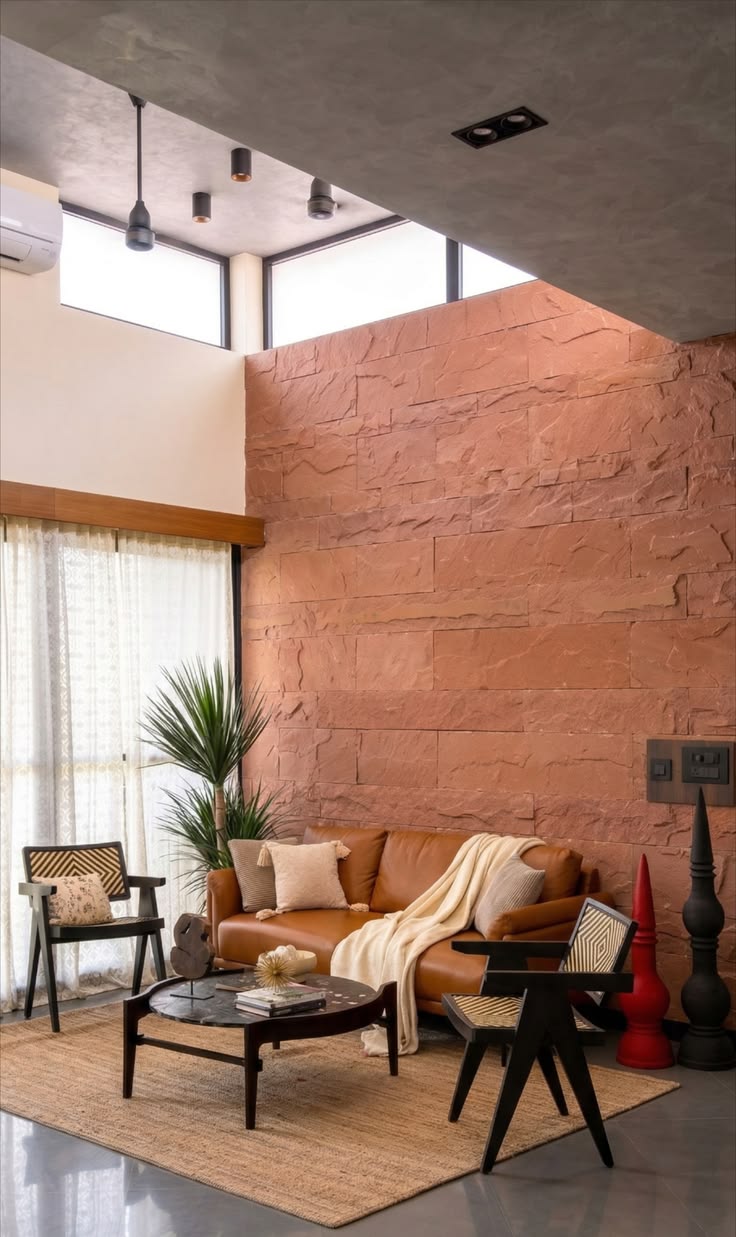
Honed tiles and slabs work for feature walls, floors, window sills and even countertops, bringing an earthy, handmade feel into rooms that would otherwise feel plain.
Choosing the right finish
The same slab can look completely different depending on how it's finished. A quick guide:
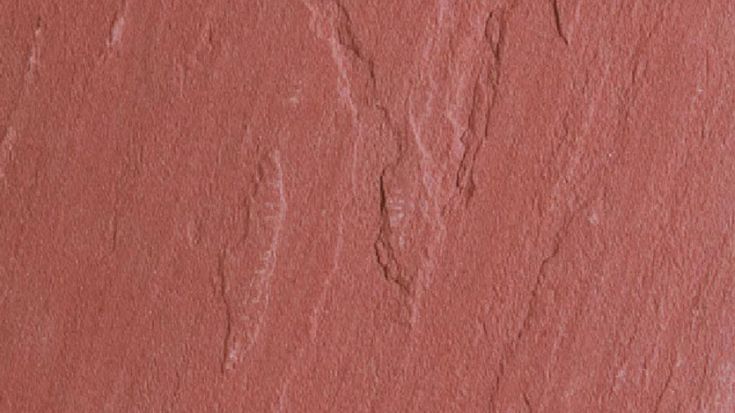
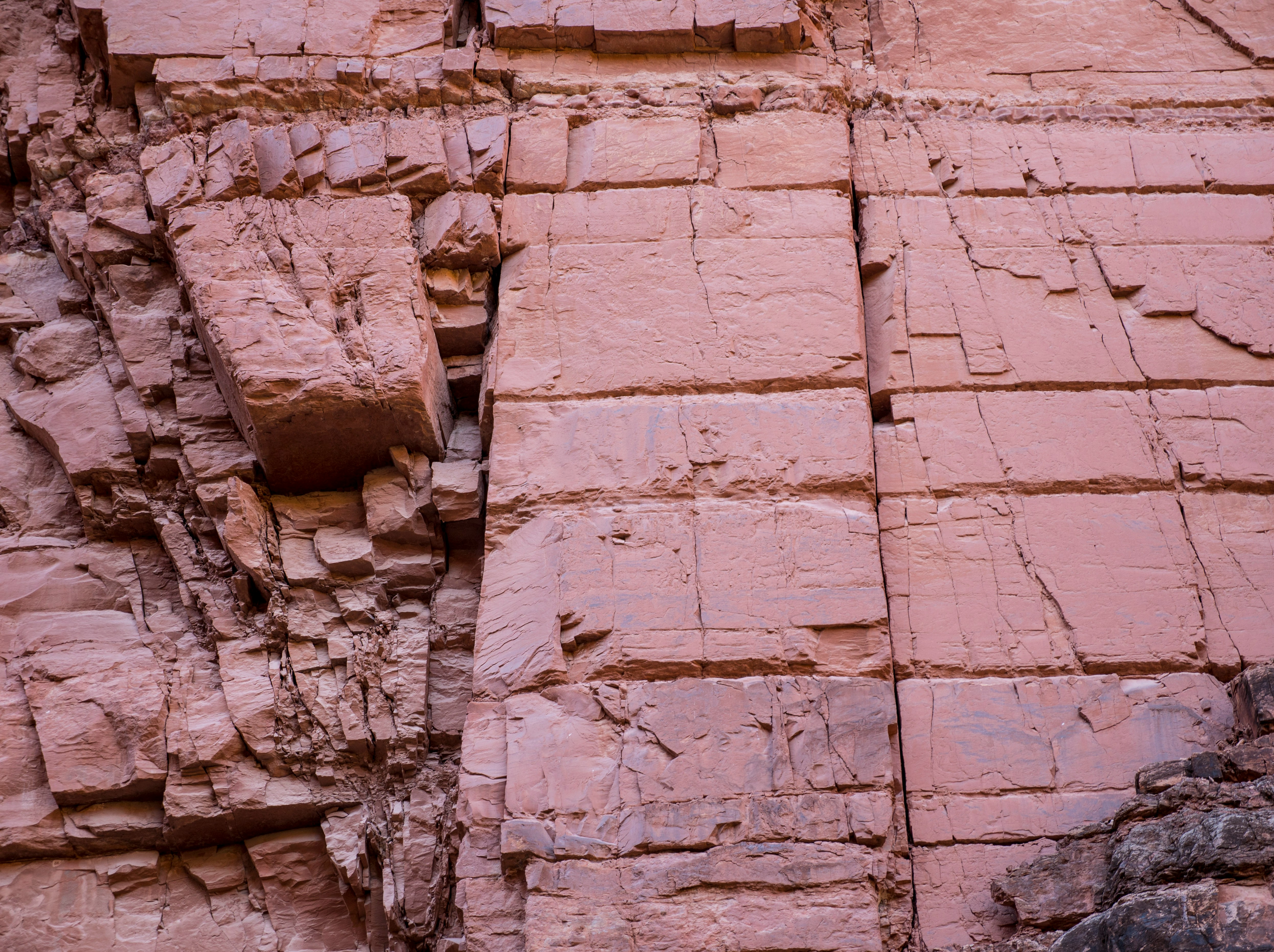
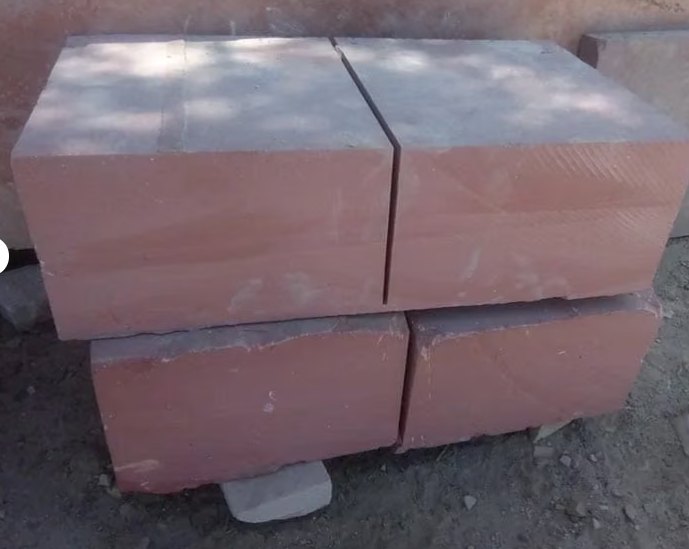
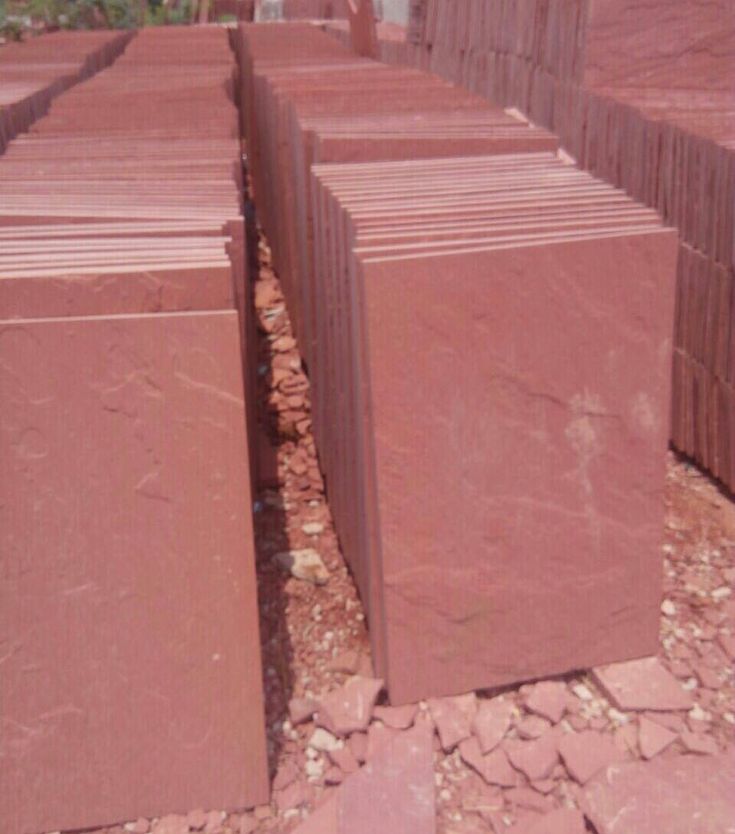
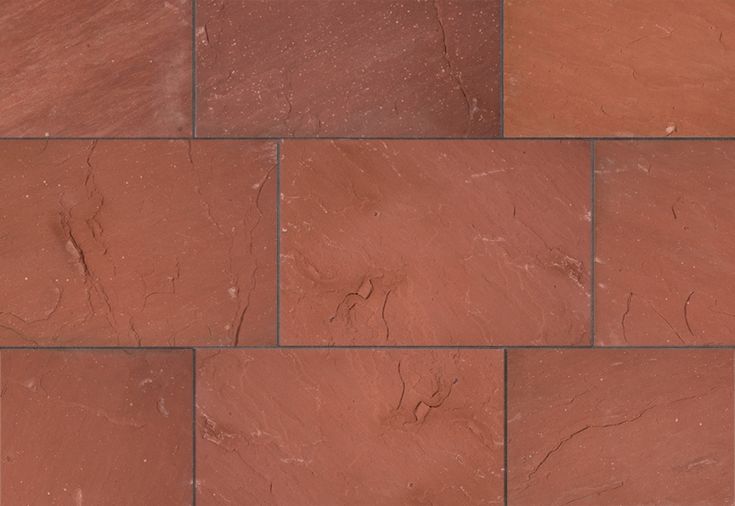
Natural cleft:Rustic and textured. Great for wall cladding and rugged outdoor looks.
Honed:Smooth, matte and refined. Good for interiors and elegant floors.
Brushed:Softly worn, with a lived-in feel. Popular for patios and garden paths.
Bush-hammered:A pitted, grippy surface that suits steps, pool decks and driveways.
Sandblasted:An even, slightly rough finish that looks clean and modern.
Tumbled:An aged, antique look with softened edges, good for courtyards and a traditional feel.
Flamed:A rough, heat-treated surface with strong natural texture, used for exterior flooring.
We offer Agra Red in tiles, slabs, pavers and blocks. Tiles come in 30 × 30, 60 × 30, 60 × 60 and 60 × 90 cm, and slabs range from 120 to 190 cm by 60 to 90 cm.
What to know before you buy
Good advice includes the honest parts, so here they are.
Every piece is different.Natural stone varies in shade, banding, and texture. That variation is the beauty of it, but you should always see a sample (or better, a real batch) before you commit, and ask for tiles from the same lot for a single area so the colour stays consistent.
It needs a little care.Sandstone is porous. Sealing it protects against stains, and an occasional re-seal keeps it looking its best, especially around kitchens, pools and high-traffic areas.
Match the finish to the place.A polished-looking, honed surface is lovely indoors, while outdoor and wet areas do better with textured finishes like bush-hammered, flamed or natural.
Confirm sizes and quantity early.Dimensions, thickness and finish can be customised, so tell your supplier what the project needs before ordering.
A stone with a story you can build into your own
Most materials are chosen for how they look on day one. Sandstone is chosen for how it looks in year ten, and year fifty. It weathers, it softens, and it picks up a character that no factory product can fake.
When you choose Agra Red, you're choosing something that has been part of Indian buildings for centuries and is still being specified for important projects today. That's a pretty good reference list.
Ready to see it for your project?
Whether you're planning a home, a hotel, a landscape or a restoration, we'd love to help you pick the right finish, size and quantity.
Or tell us about your project, and we'll suggest the right finish and send samples.