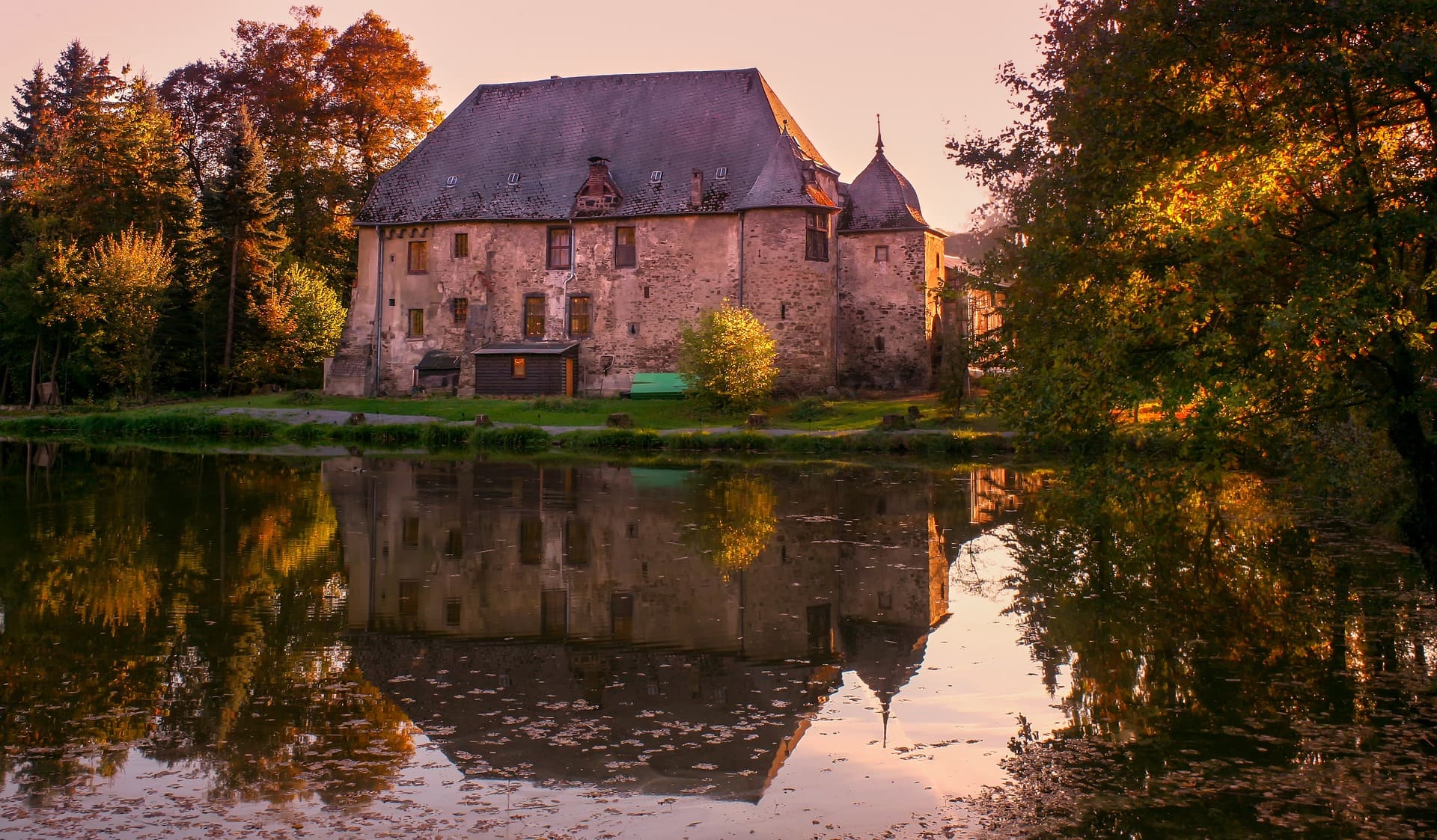
1. The Formation of Slate:
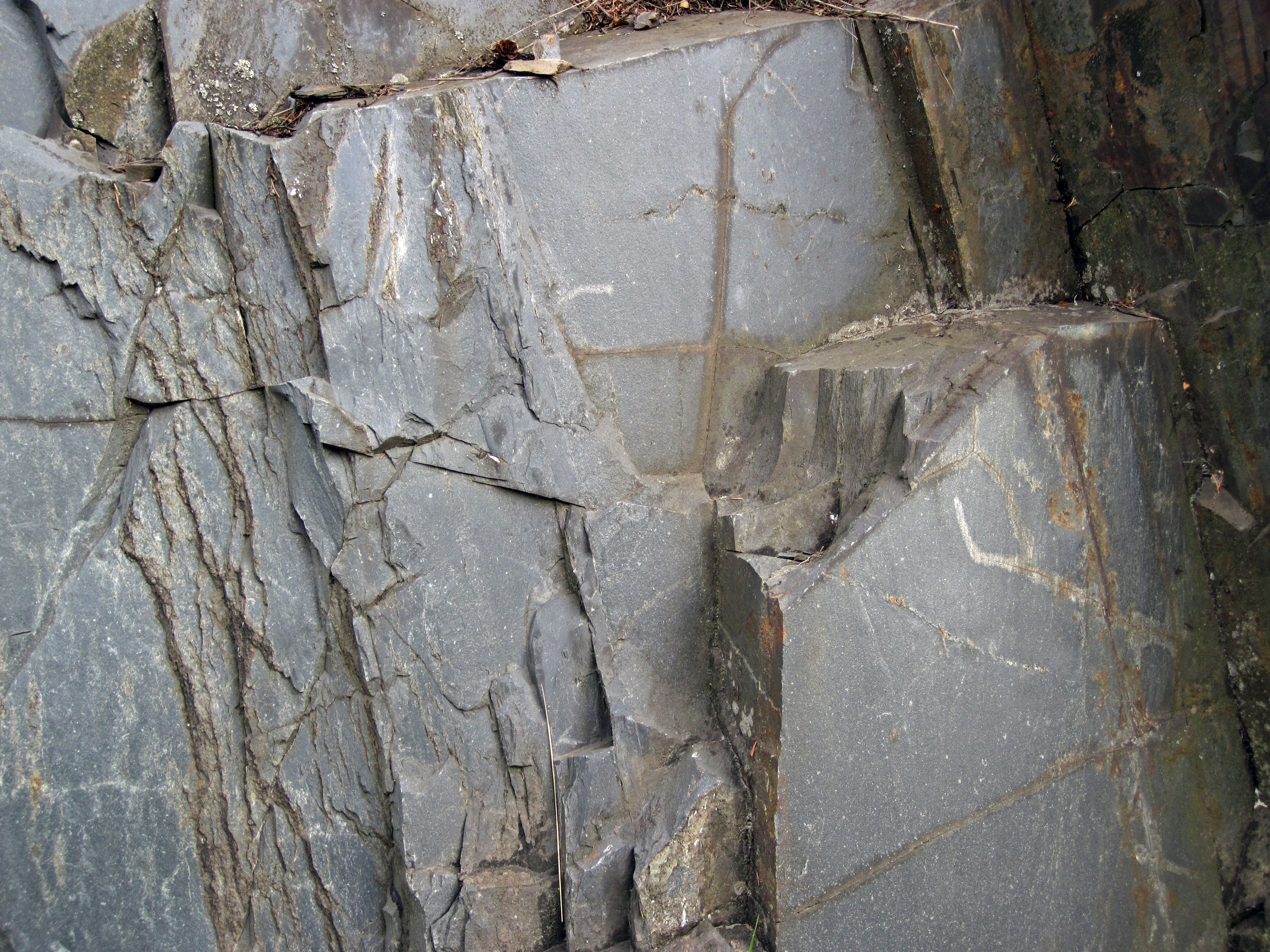
Slate is a fine-grained rock that originates from the transformation of shale, a sedimentary rock,
through a process called metamorphism. The clay minerals in shale recrystallize, generating new
minerals such as mica (usually muscovite and biotite) and chlorite. This natural process involves
heat and pressure, resulting in a rock with distinct layers and a smooth, foliated texture. The
foliation in slate results in a smooth, fine-grained texture with good cleavage along parallel
planes. Slate's cleavage enables it to be separated into thin, flat sheets, making it a desirable
material for roofing, flooring, and other purposes. The geological transformation not only imparts
slate with its unique aesthetic appeal but also enhances its strength and durability.
The
whole process of converting shale into slate is part of a wider geological cycle known as the rock
cycle, in which rocks undergo numerous transformations via geological processes. Slate's unique
characteristics, including as foliation and cleavage, make it a popular and valued material in
building and ornamental applications.
2. A Palette of Colors and Patterns:
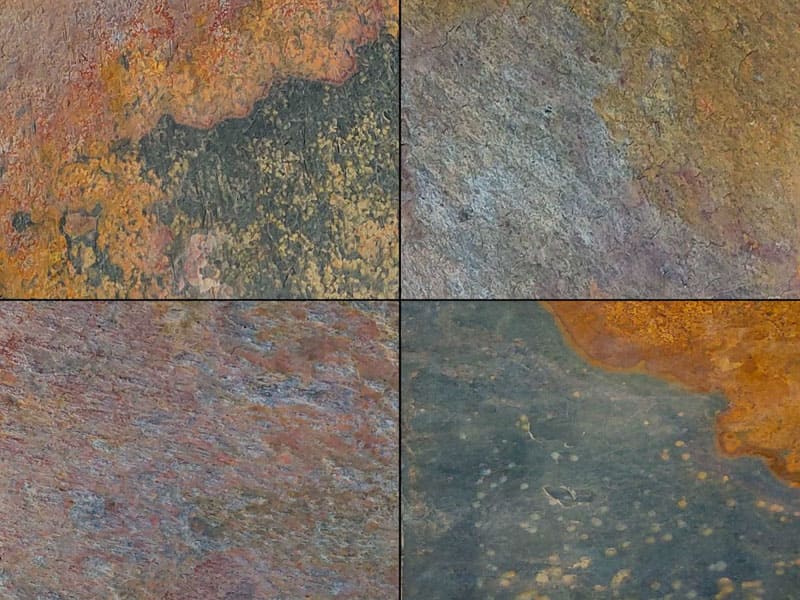
One of the most enchanting features of slate lies in its diverse range of colors and patterns. From
deep shades of gray and black to warm hues of green, red, and purple, slate offers a versatile
palette that suits various design preferences. The natural variations in color and veining patterns
make each slab of slate a one-of-a-kind piece of art, adding character and charm to any
space.
Slate is a flexible material for a variety of applications, including roofing,
flooring, wall cladding, countertops, and ornamental elements. This is due to the mix of various
colors, patterns, and finishes. The distinct geological history of each slate deposit influences the
stone's specific qualities and beauty, providing designers and builders with a diverse palette to
work with.
3. Applications in Architecture:
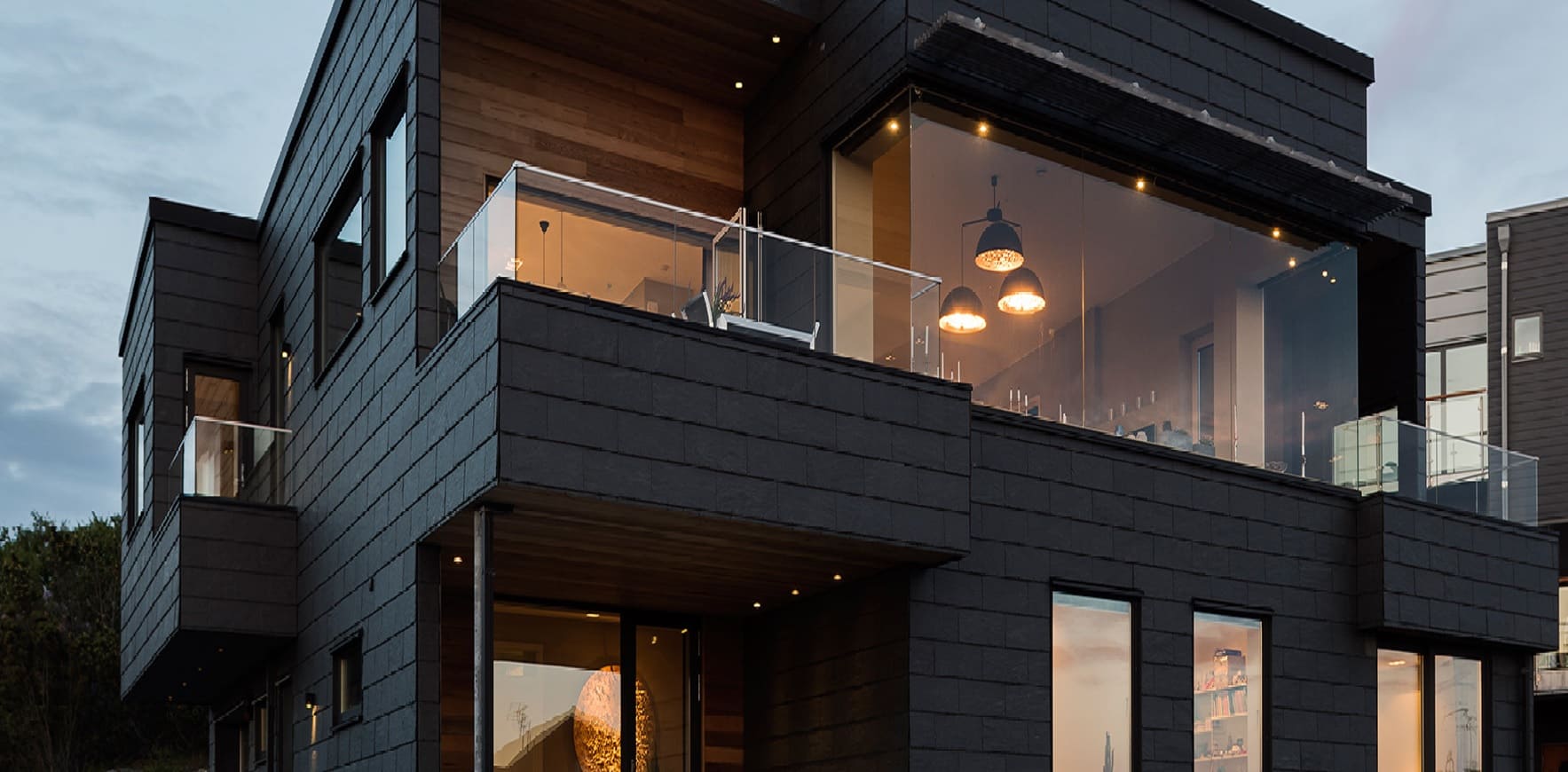
4. Slate in Interior Design
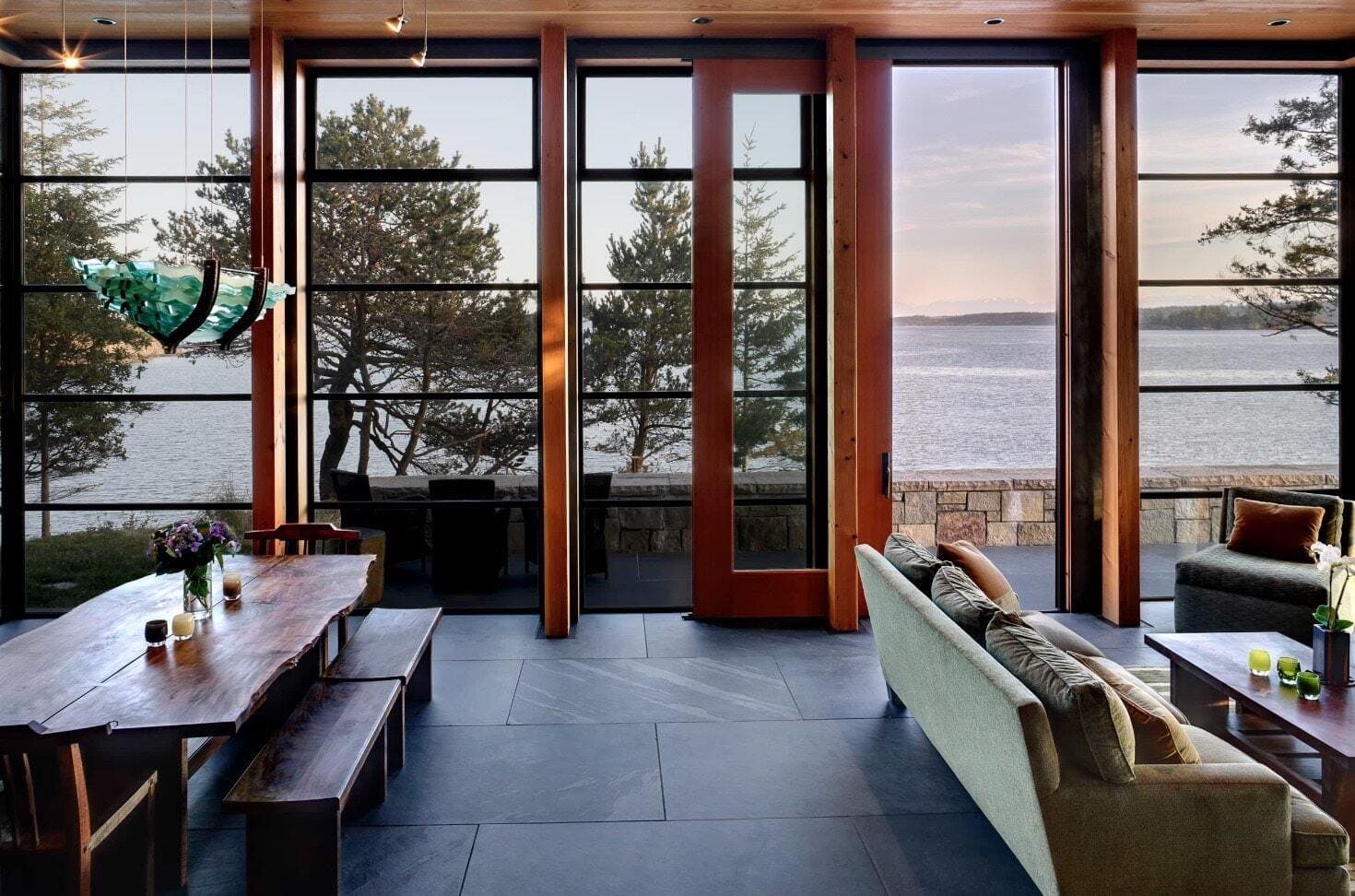
Slate's presence in interior design extends beyond its use in flooring and countertops. Its unique
texture and color variations make it a popular choice for accent walls, fireplace surrounds, and
even as decorative pieces like tabletops and wall art. The ability to seamlessly blend with both
modern and traditional design styles makes slate a timeless choice for those seeking a touch of
natural beauty in their living spaces.
Slate is a versatile and visually attractive natural stone with several uses in interior
design. Slate's distinctive properties, such as various hues, patterns, and textures, along with its
durability, make it a popular option for improving the aesthetic and practical elements of interior
spaces.
Slate's diversity in color, pattern, and finish makes it suitable for a wide range of interior
design styles, from rustic and traditional to modern and contemporary. Slate's durability guarantees
that it retains its visual appeal throughout time, making it an excellent choice for interior
designers looking for both beauty and longevity in their designs.
5. Sustainability and Longevity:
Beyond its aesthetic and functional qualities, slate stands out for its sustainability and longevity.
As a natural stone, it is a renewable resource that requires minimal processing compared to synthetic
materials. Its durability ensures that structures built with slate can withstand the test of time,
contributing to a more sustainable and eco-friendly approach to construction and
design.
While slate has several sustainable and long-lasting properties, it is essential to
consider the environmental effect of transportation throughout distribution. Locally sourced slate may
improve overall sustainability by reducing the carbon footprint related with transportation.
Furthermore, ethical quarrying procedures, such as site restoration, may help to ensure the
environmental sustainability of slate.
Conclusion:
In the realm of interior design and architecture, granite symbolizes the union of beauty and efficiency. Its geological origins, visual variety, durability, and ease of upkeep make it a timeless option for people looking to add a touch of elegance to their homes. As we continue to admire granite's timeless charm, it is apparent that this natural stone will be a symbol of refinement and durability in design for many years to come.