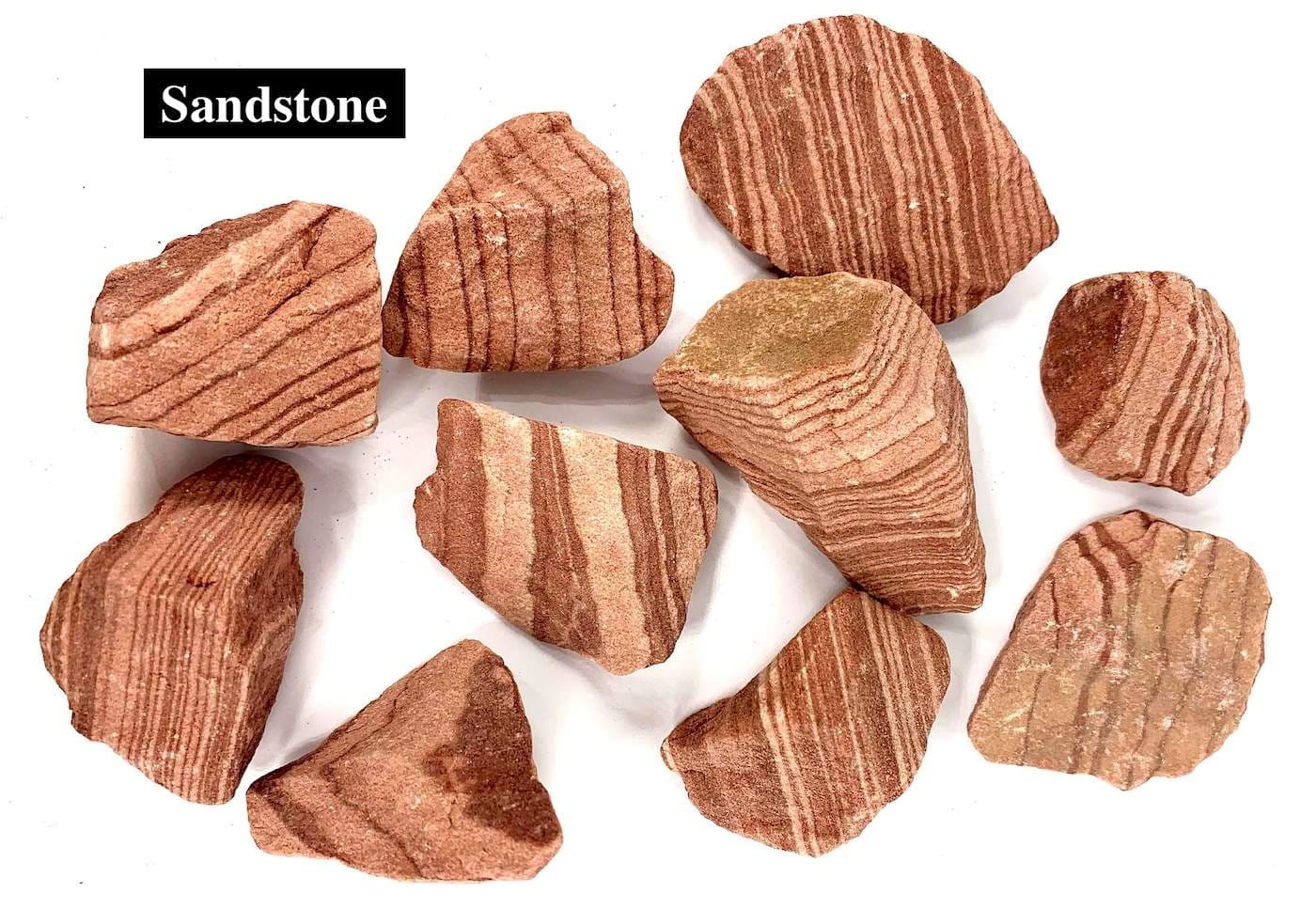
1. The Geological Ballet: Formation of Sandstone
The formation of sandstone is a fascinating geological process that
involves the gradual transformation of loose sediment into a solid rock
structure. The journey starts with the weathering of preexisting rocks.
Wind, water, and temperature variations all help to break down boulders
into tiny bits. Over time, these rocks erode, resulting in smaller
pieces ranging from clay-sized particles to huge grains.
Weathered particles, or sediments, are then moved by natural forces such
as rivers, winds, and glaciers. Water is a very powerful agent in
carrying sediments downstream. As the transporting agents lose energy,
they dump the sediments they are carrying. This often happens in
locations where water flow slows, such as riverbeds, lake bottoms, or
coastal zones. Over time, sediment layers aggregate to produce deposits
that progressively grow up.
2. A Palette of Earthy Hues: Colors and Varieties of Sandstone
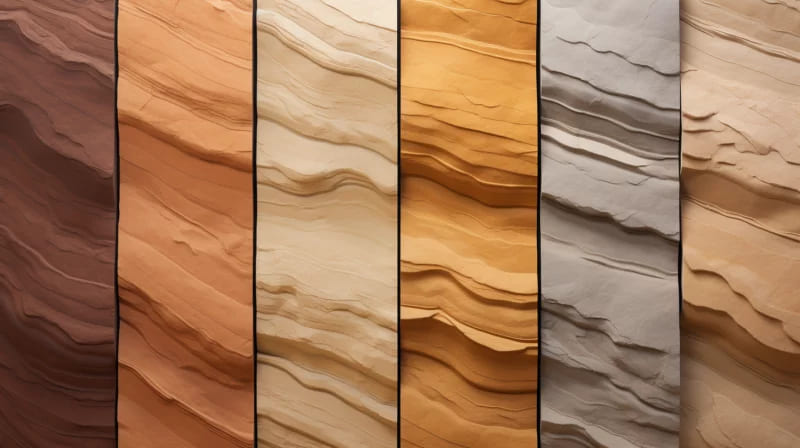
Sandstone is known for its wide range of colors, which enhances its
aesthetic appeal and adaptability in a variety of architectural and
landscape applications. The mineral composition, contaminants, and
geological history of the sandstone's formation all impact the color
variation.
The captivating spectrum of colors that sandstone can exhibit are Warm
Reds and Oranges, Golden Yellows, Earthy Browns and Beiges, Cool Blues
and Greens, Subtle Greys, Multi-Colored Varieties, White and Cream
Tones, Raj Green, Autumn Brown, and Teakwood etc. It's worth noting that
the specific colors and names may differ across locations and providers,
but the total variety of sandstone colors makes it a flexible option for
improving the visual appeal of buildings, landscapes, and interior
spaces.
3. Strength and Durability: The Practical Side of Sandstone
Sandstone's structural durability and long lifespan make it a popular
material for building and landscaping in a variety of climates. However,
variables like as mineral composition, porosity, and regional
environmental conditions may all have an impact on its effectiveness.
Sandstone's resilience to weathering is determined by its mineral
composition, with quartz-rich variants being very durable. Quartz is
resistant to chemical weathering and contributes to the structural
integrity of the rock throughout time.
Sandstone is resistant to chemical weathering due to its
mineral composition, which includes silica. It is less likely to
dissolve or change when exposed to acidic or alkaline chemicals in the
environment.
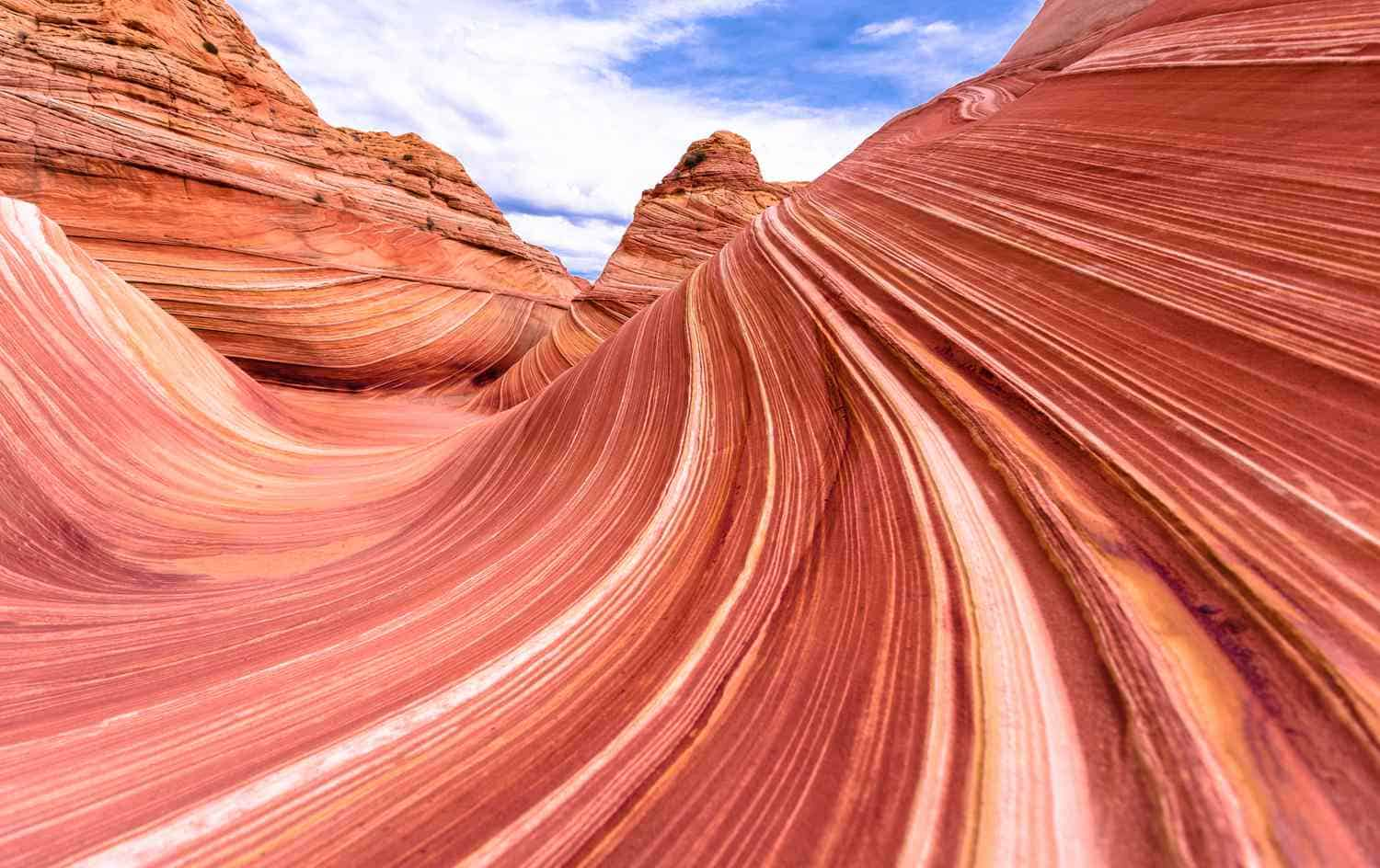
4. Architectural Marvels: Sandstone in Iconic Structures

Sandstone has played a profound impact in buildings throughout history,
from ancient temples to current skyscrapers. Its ongoing popularity may
be due to a mix of visual beauty, structural durability, and
adaptability.
Sandstone was widely utilized in ancient Egypt for gigantic
constructions, such as the Sphinx and the great temples of Luxor and
Karnak. The material's abundance near the Nile River makes it a viable
option for large-scale construction.
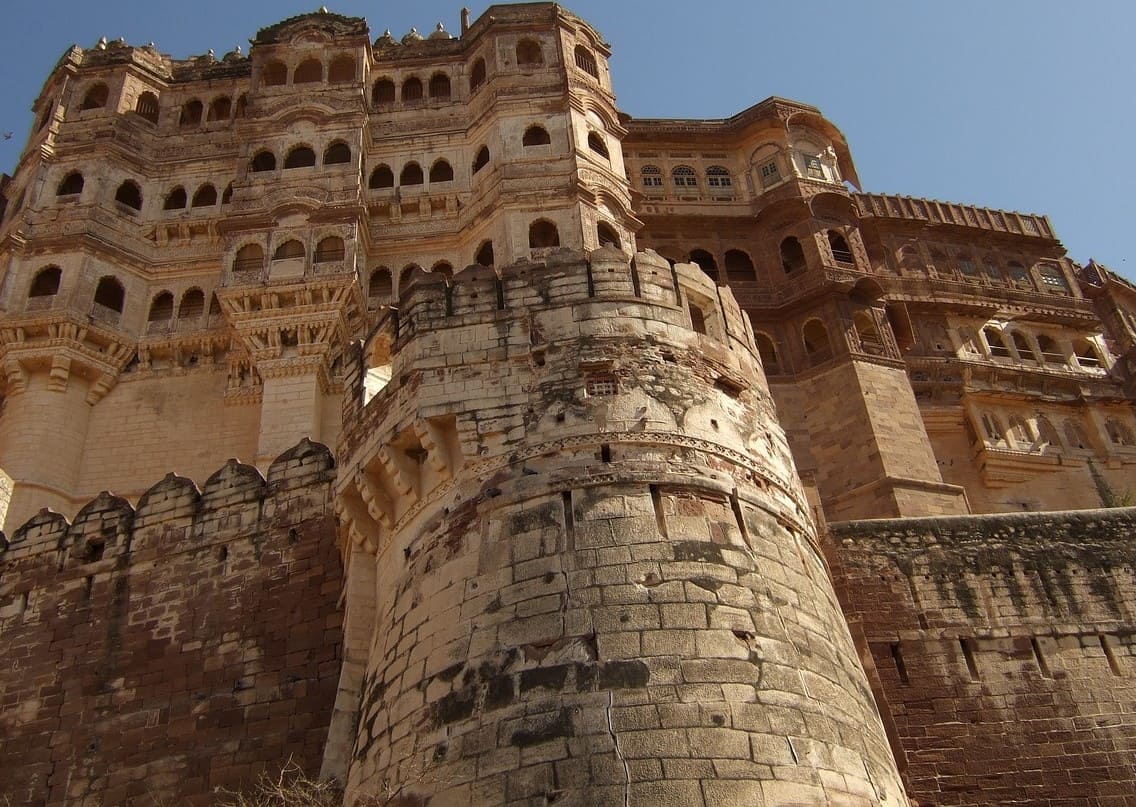
Rajasthan, India: Sandstone is notably used in the building of
Rajasthan's forts and palaces, such as the Amber Fort and the Mehrangarh
Fort. The stone's warm tones add to the region's architectural richness.
5. Landscaping with Sandstone: Creating Timeless Outdoor Spaces
Sandstone has a distinct attractive look because of its fine-grained
texture and diverse shades, which include tones of beige, red, brown,
and gray.
It has a wide range of uses, including pavement and roads, as well as
ornamental components such as garden borders, statuary, and water
features.
Sandstone is a resilient material that can survive external conditions,
making it ideal for landscaping applications that are subjected to sun,
rain, and temperature fluctuations.
Its resilience to erosion makes it an attractive option for outdoor
surfaces that may be subjected to foot traffic or weather-related wear
and tear.
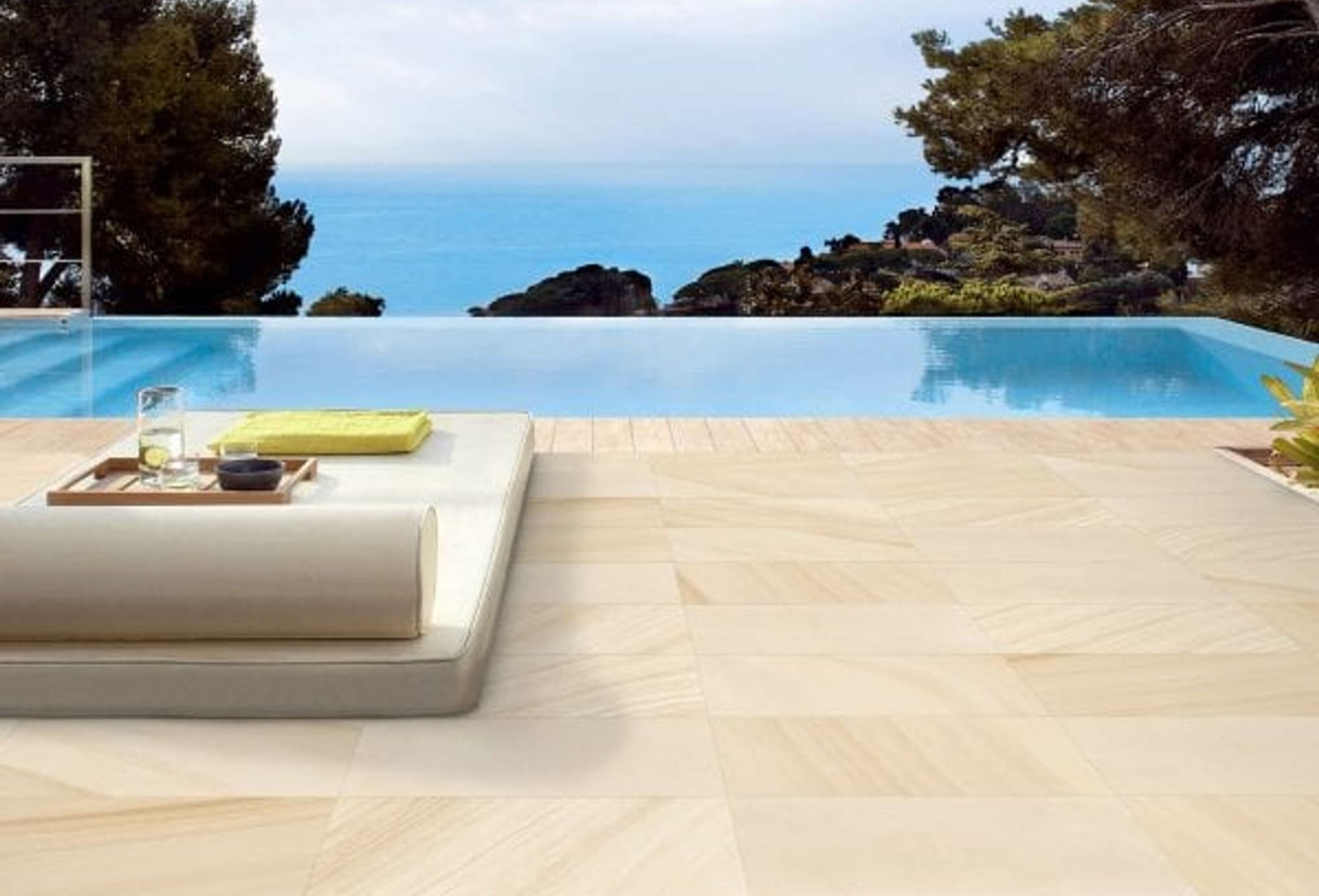
6. Contemporary Applications: Sandstone in Interior Design
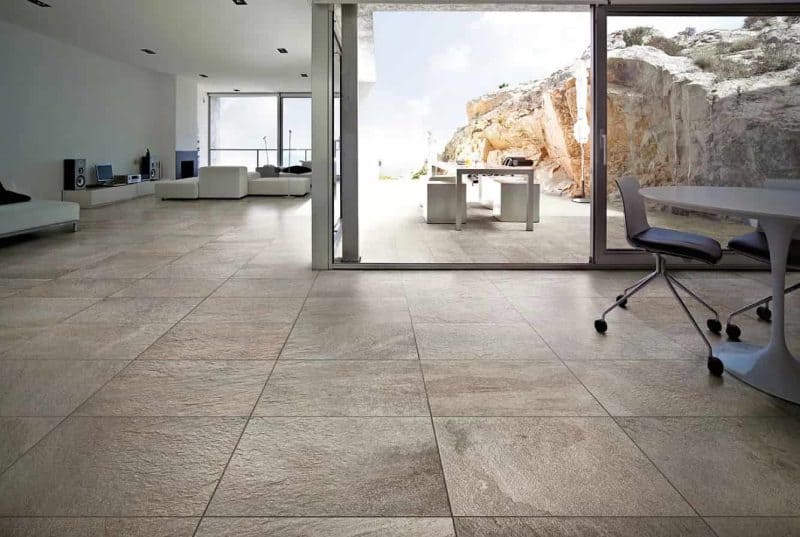
Sandstone flooring provides a seamless transition from outdoor to indoor
spaces, creating a harmonious flow and connecting the interior with
nature.
Different cuts and patterns, such as herringbone or chevron, can be
explored for unique and contemporary floor designs.
Sandstone's neutral tones may be blended into many color structures,
creating a timeless and classy appearance.
Combining sandstone with other materials or textures, such as metal or
glass, results in a visually attractive and dynamic space.
Sandstone countertops in bathrooms create a spa-like atmosphere, offering a luxurious and soothing
aesthetic.
Sealed sandstone can be used on shower walls, bringing an earthy feel to the bathroom while
maintaining practicality.
7. Maintaining the Beauty: Tips for Sandstone Care
Conclusion:
As we conclude our journey into the world of sandstone, it becomes clear that this natural wonder continues to captivate us with its enduring beauty and versatility. Whether adorning ancient temples or enhancing modern interiors, sandstone remains a symbol of timeless elegance, connecting us to the Earth's rich geological history.