1. Origins and Formation
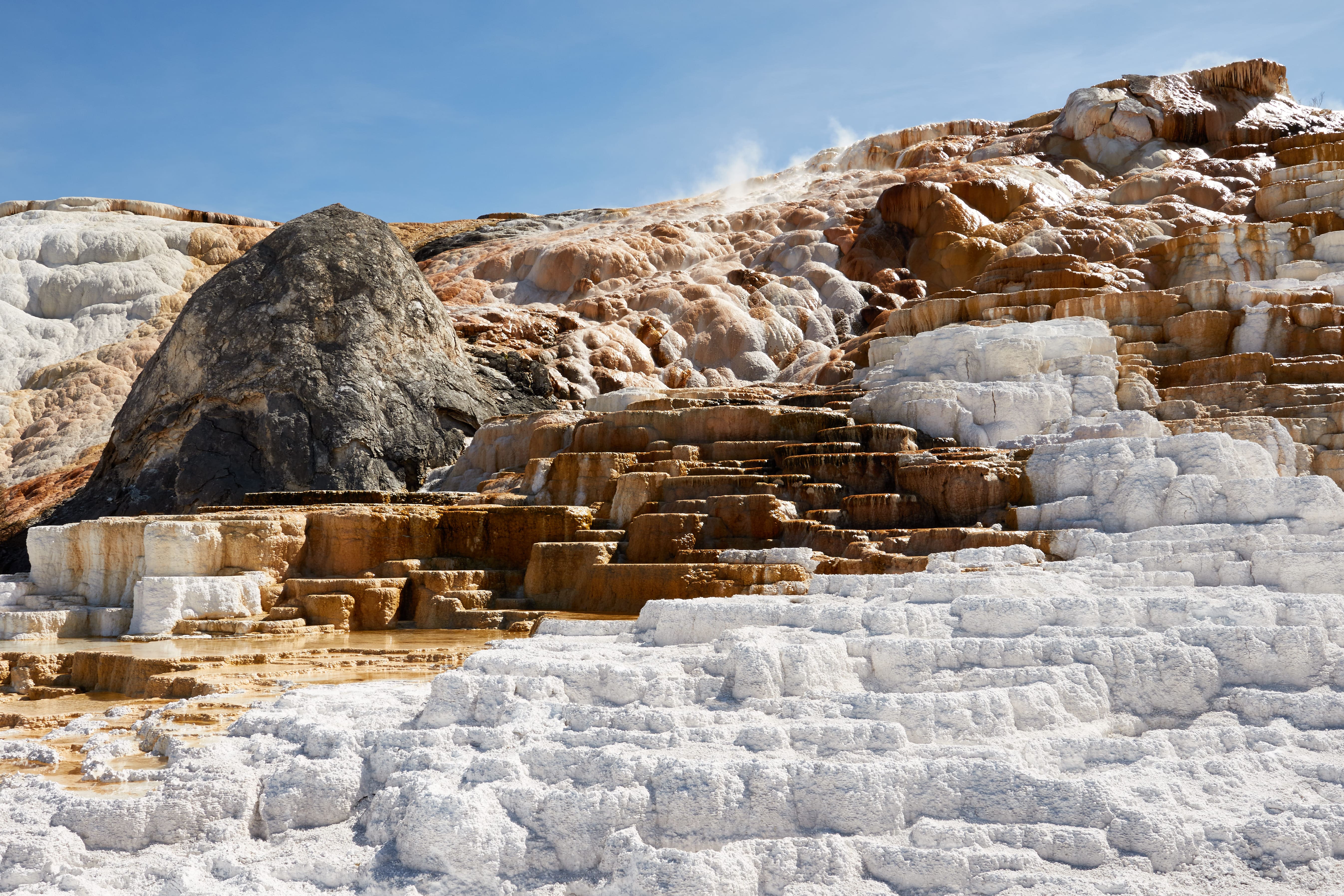
Travertine typically forms in areas with abundant carbonate-rich groundwater. It is commonly
associated with limestone deposits and often occurs in regions with karst topography, where soluble
rocks (such as limestone) dissolve over time, creating sinkholes, caves, and other
features.
Calcium carbonate minerals are deposited over a long period of time in subterranean water
sources to generate Indian Travertine. Exquisite deposits of this sedimentary rock have been
created in India due to its distinct geological circumstances. Large deposits of Indian
Travertine are found in states like Gujarat and Rajasthan. The unique patterns and textures that
define this stone as art are produced by the forces of heat and pressure acting naturally.
2. Visual Appeal and Distinctive Features
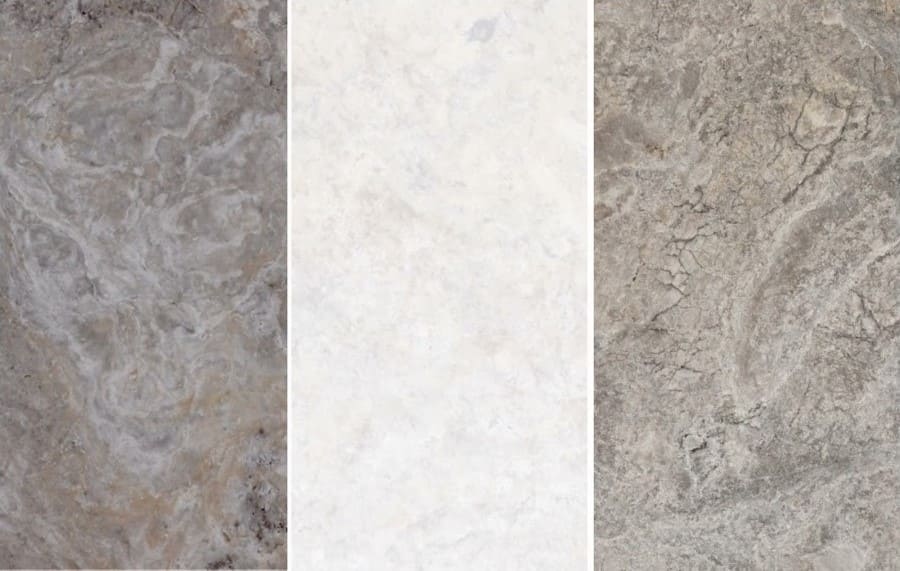
Indian Travertine has a broad spectrum of earthy, warm hues, such as beige, cream, tan, and
brown tones. Its look is given depth and character by the fine veining, subtle swirls, and
sporadic pockets or voids that it often displays. The inherent variances in Indian Travertine
provide individuality to each piece and add to its allure. Indian Travertine's polished or honed
appearance adds to its beauty and makes it a popular option for many design types.
The surface texture of Indian travertine is often porous, giving it a tactile and organic quality.
The natural pitting and gaps on the surface give it a textured appearance, lending individuality to
the material. This texture is often appreciated in both indoor and outdoor settings.
3. Applications & Versatility
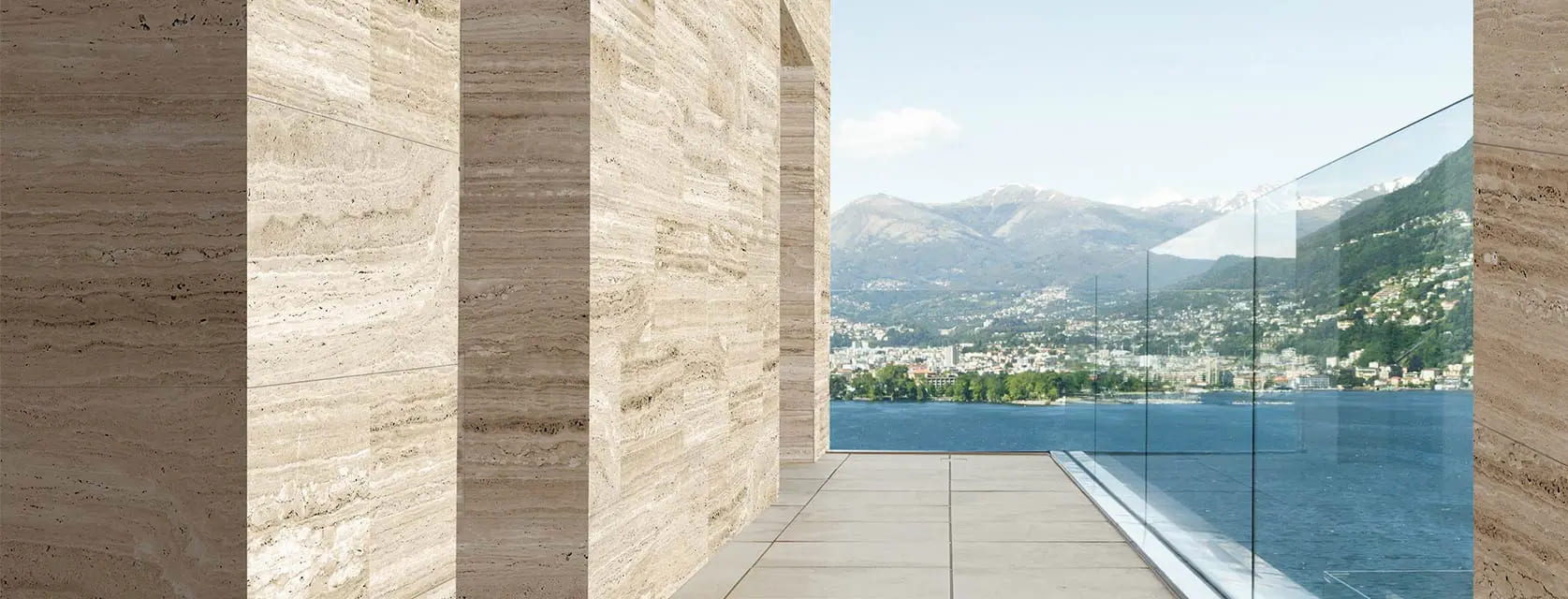
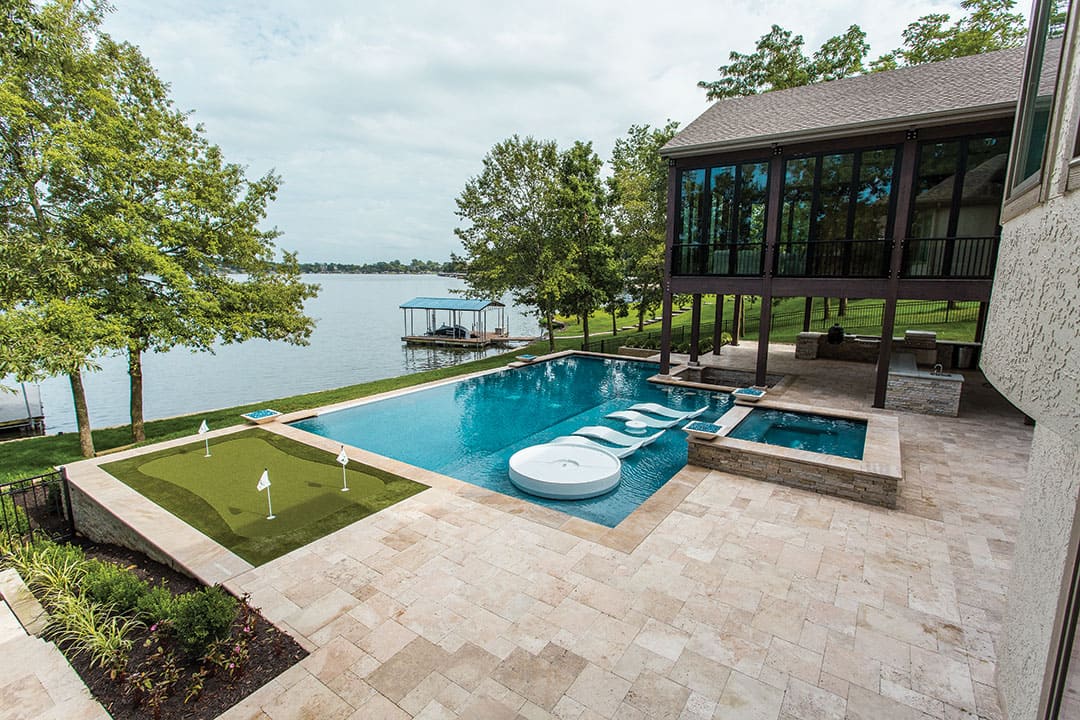
Indian Travertine is used in a wide range of residential and commercial constructions. Its warm
and welcoming look complements both classic and modern design elements with ease. One of the
most popular applications for Indian Travertine is flooring, which gives living rooms, kitchens,
baths, and hallways a cosy and inviting atmosphere. It is particularly well-liked for fireplace
surrounds, countertop cladding, backsplashes, and wall cladding, giving any space a hint of
refinement and organic beauty.
Indian travertine is versatile because it can adapt to a
variety of design styles, from classic to modern. Its natural diversity, warm hues, and distinctive
patterns make it a popular material among designers and architects seeking to create visually
appealing and long-lasting interiors.
4. Durability and Maintenance
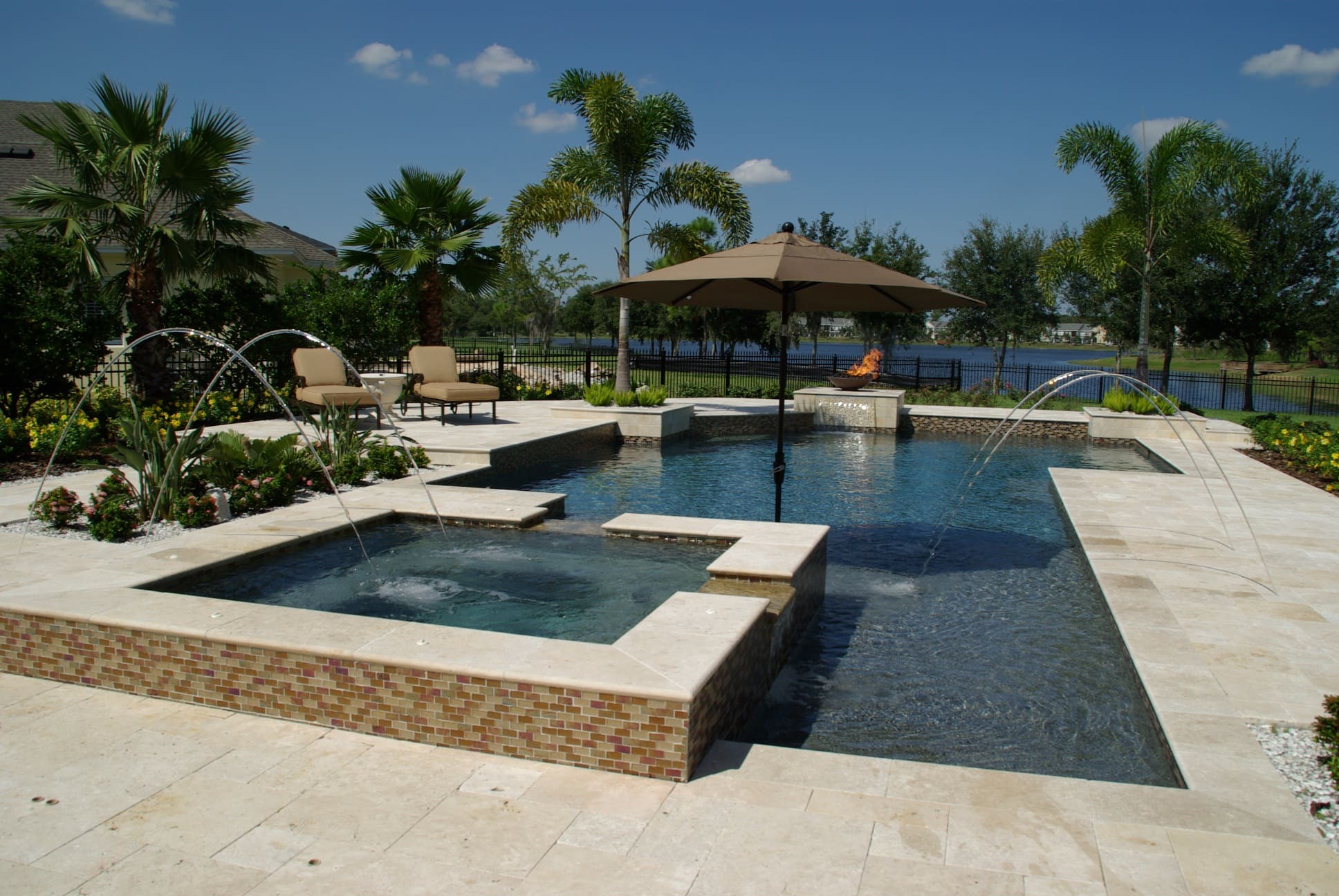
The endurance and durability of Indian Travertine are well-known. It may be used inside and
outdoors because to its sturdy construction and resilience to heat, moisture, and wear. For
stain protection and long-term stone preservation, proper sealing and routine maintenance are
advised. To avoid potential stains, clean up spills as soon as possible and steer clear of
acidic or abrasive cleansers since they may harm the surface.
Sealing is a necessary step
in keeping Indian travertine. It helps to form a protective barrier that repels liquids and keeps
them from entering the stone. Sealants should be used throughout the installation process and at
regular intervals afterward, depending on the amount of usage and exposure.
5. Sustainability & Environmental Friendliness
Because of its natural richness and extraction methods, Indian Travertine is regarded as an eco-friendly option. Environmental rules are followed throughout the ethical procurement and processing of the stone. Selecting Indian Travertine for your projects will complement eco-conscious design principles while also offering a timeless beauty.
Conclusion:
Indian Travertine exhibits grace, toughness, and adaptability, all of which are testaments to the natural beauty of stone. This alluring substance, which comes from the plentiful sources in India, has been treasured for its lasting resilience, warm colours, and distinctive patterns. Whether it is used for flooring, cladding, or other design aspects, Indian Travertine gives every area a sense of refinement and unspoiled beauty. It is a preferred option for anyone looking for a timeless and sophisticated appearance due to its adaptability and ability to mix in with many other design motifs.