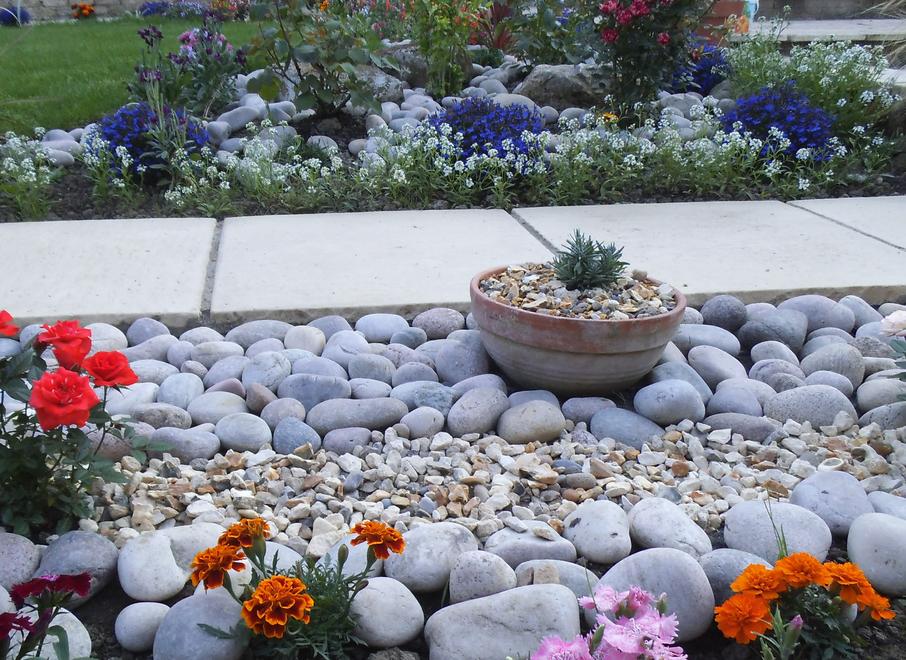
Natural pebbles are tiny, spherical stones that have been formed and polished
over time by natural causes. Natural pebbles, with their smooth texture,
different colours, and organic forms, provide a distinctive and serene look that
may complement both indoor and outdoor areas. This blog article will delve into
the enthralling world of natural pebbles, showing their properties, sources,
popular types, and inventive uses that emphasise their variety and beauty.
1. Natural Pebbles
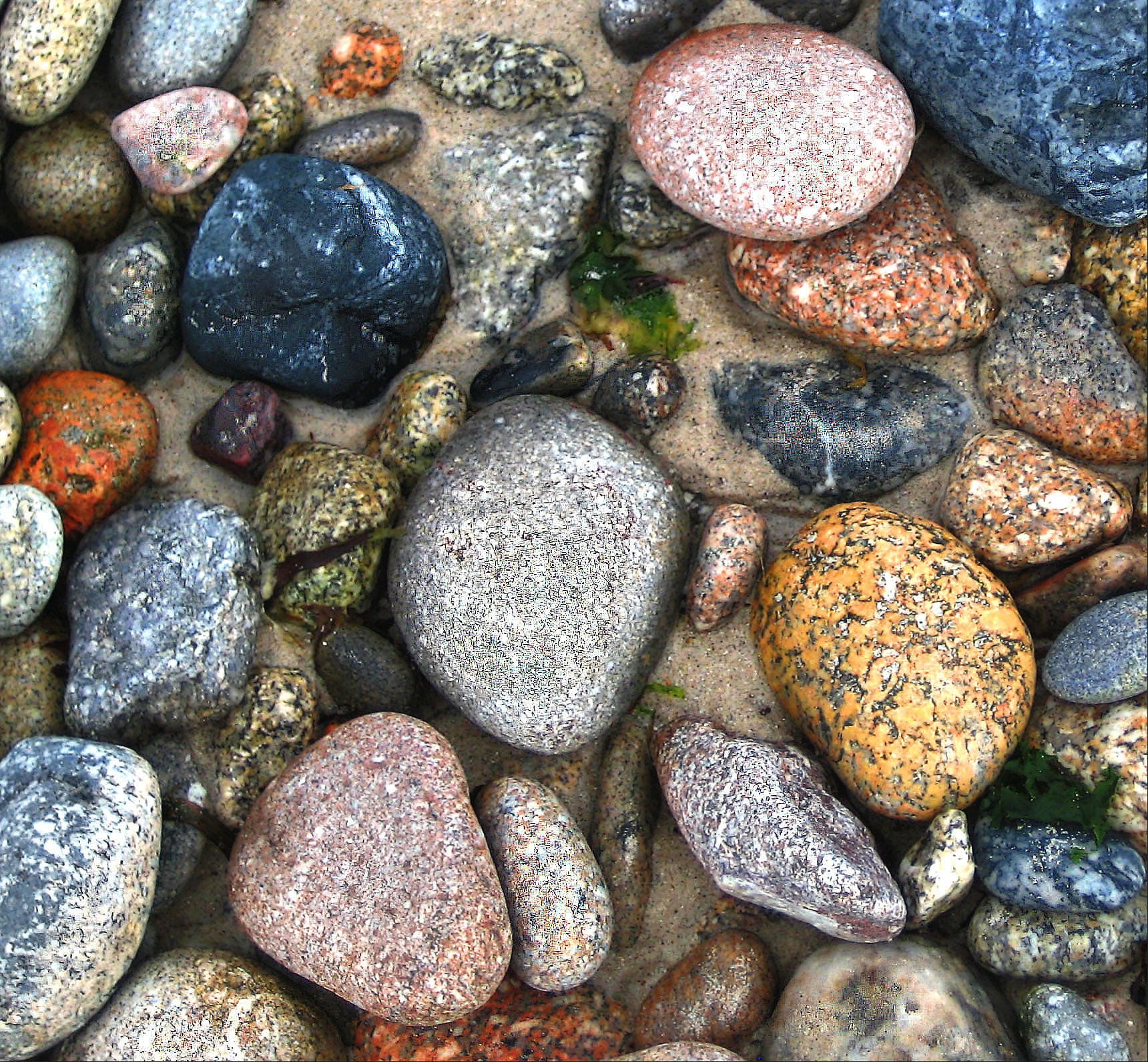
Natural pebbles are tiny, rounded stones that are often found in
riverbeds, beaches, and other waterways. They are caused by the natural
weathering and erosion of bigger rocks over time. Pebble formation
includes a number of geological and environmental conditions.
Pebbles range in size, from little gravel-sized pebbles to bigger
ones. Pebbles are sorted and graded along riverbeds or coastal
regions depending on the energy levels of the flowing water. Higher
energy environments select and move bigger stones, while lower
energy environments leave behind smaller ones.
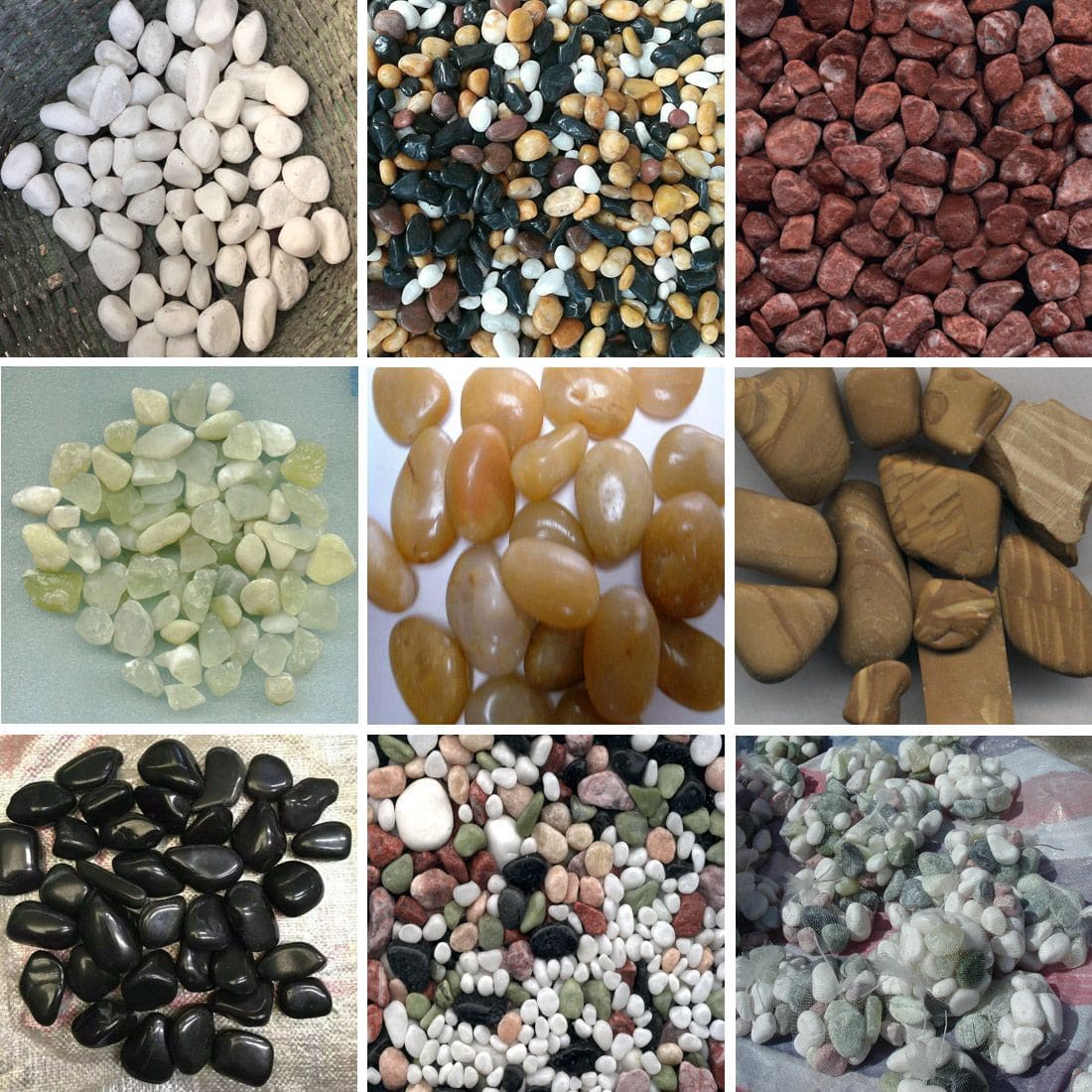
Pebbles' composition is determined by the minerals found in their
parent rocks. Different geological formations produce pebbles of
varying colors, shapes, and textures. Pebbles' rounded form results
from multiple impacts and abrasion throughout the movement.
2. Sourcing and Choosing
Natural pebbles are the consequence of a dynamic interaction of geological processes such as
weathering, erosion, and water movement. Their smooth, rounded forms make them useful for both
utilitarian and aesthetic reasons.
Weathering and Erosion : Natural pebbles are formed by
constant weathering and erosion. Weathering causes rocks to break
down into smaller particles, which are then transported to various
sites.
River and Water Action :Many natural pebbles are found in
riverbeds, where running water plays an important role. The
continual passage of water wears down boulders, transforming them
into rounded pebbles over time. The abrasive action of water, along
with sediment transfer, helps to smooth and round the pebbles.
Coastal Processes :Pebbles are also widely seen on beaches,
where they are formed by a mix of wave action and sand abrasion.
Coastal activities such as tides and currents help move and shape
these stones.
3. Applications Indoors
Using stones inside may give your area a distinctive and natural look. Here are some innovative
and useful interior uses for pebbles:
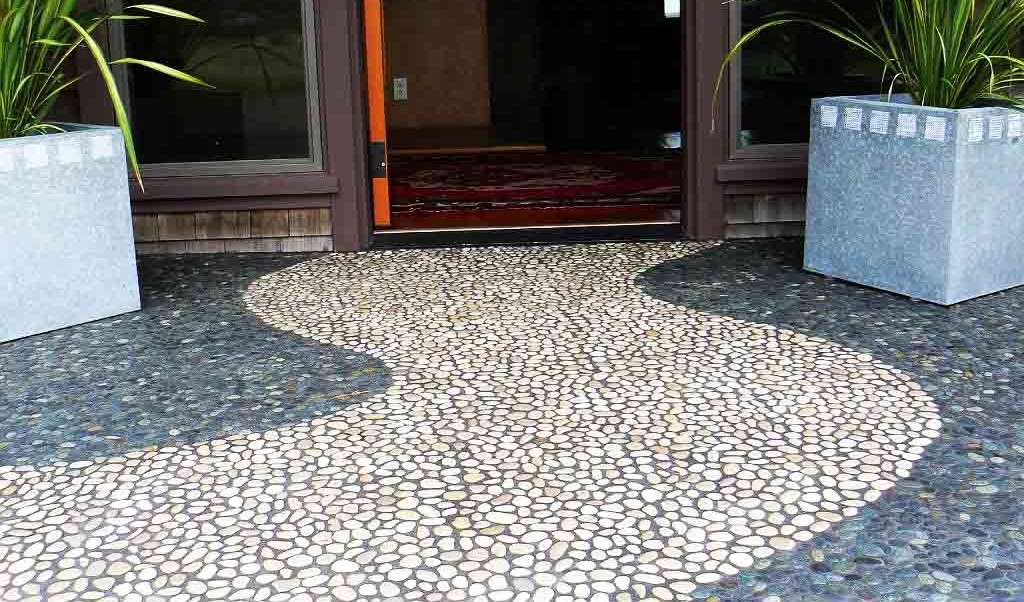
Flooring: Incorporating pebbles into your flooring design can give it a unique and
natural appearance. This may be accomplished by embedding them into a resin or concrete floor.
It's ideal for bathrooms, spas, and entryways, creating a textured and visually pleasing
surface.
Wall Accents: Install a pebble mosaic to create an accent wall in your living room,
bedroom, or bathroom. This may provide a visually appealing focal point, particularly when
paired with adequate lighting.
Bathroom Design: Pebbles provide an excellent substitute for shower flooring. The
natural texture creates a pleasant, non-slip surface. When placed on a bed of mortar or embedded
in resin, they produce a spa-like atmosphere.
4. Home Décor
Pebbles can be a unique and versatile element in home decor,
adding a touch of nature and texture to your living space.
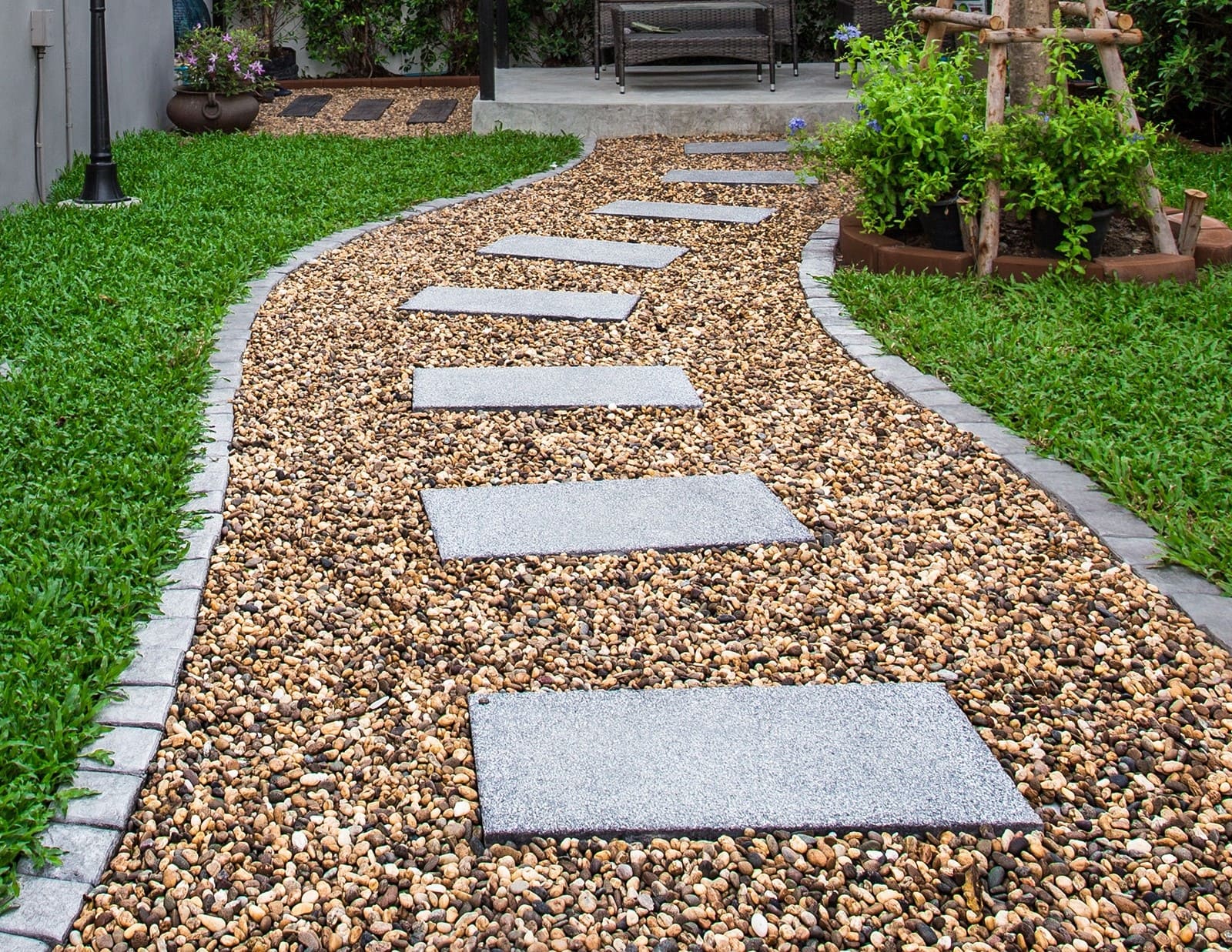
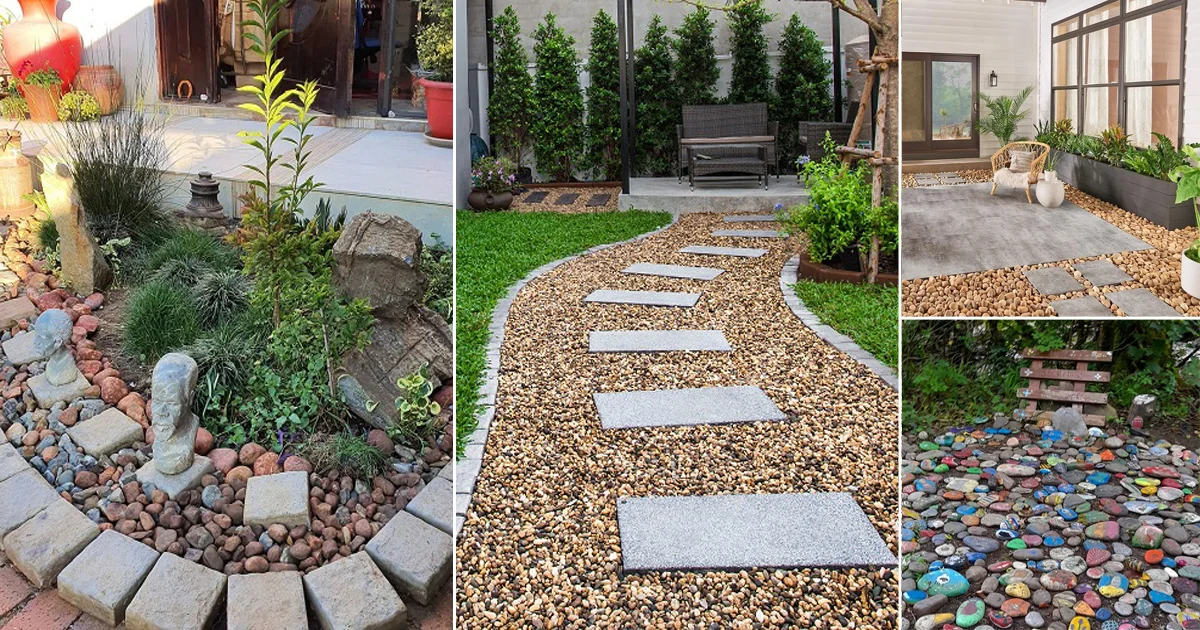
Garden Pathways : Determine the best route for your garden walkway. Consider the
garden's natural flow, accessibility, and any focus places you would want to highlight.
Water Features : Select an appropriate place for your pond, waterfall, or fountain.
Consider sunlight exposure, existing landscaping, and the general layout of your outdoor area.
Garden Decoration : Choose pebbles that complement the overall theme and colors of
your garden. Pebbles, whether utilized in utilitarian features such as paths or for ornamental
reasons, may provide a feeling of calm and beauty to your outdoor environment.
5. Pebbles in Different Design Styles
Zen and Minimalist Designs: When working with pebbles in Zen and minimalist designs,
it is important to embrace simplicity and create a feeling of calmness. Choose a restricted
color palette, emphasize clean lines, and add pebbles in a manner that enhances the overall
minimalist look.
Coastal & Nautical Designs: When using pebbles into coastal and nautical designs,
strive for a seamless integration that evokes the spirit of the beach. To achieve a harmonized
beach mood, consider the color palette, texture, and pebble placement.
Rustic and Natural Designs: Incorporating pebbles into rustic and natural designs
provides texture and authenticity, making the area seem more linked to nature. To achieve a
unified and harmonious rustic design, pay close attention to the materials and colors used.
6. Maintenance
Use landscaping fabric beneath the pebbles to inhibit weed growth. This will help prevent weeds
from emerging through the pebble layer.
Periodically, use a pressure washer to clean the pebble surface. Ensure the pressure is not too
high to avoid displacing the pebbles.
Rake the pebble surface to remove any trash, leaves, or tiny stones that may have made their
way onto it.
If pebbles are used near water features, take steps to limit algae development, such as
introducing beneficial bacteria or utilizing algae control solutions.
Conclusion:
Natural pebbles provide a sense of serenity and beauty to our living spaces.
Their smooth texture, different colours, and organic forms provide a
distinctive
and creative touch to any design, whether utilised inside or outdoors. We
may
leverage the ageless appeal of natural stones to create calm and visually
fascinating places that actually link us with the natural world by
understanding
their origin, discovering new uses, and preserving their beauty.